
Table of Contents
- Overview
- Key Features
- How It Works
- Use Cases
- Pros \& Cons
- How Does It Compare?
- Bean Recipe Adapt vs. SuperCook (Ingredient-Based Recipe Search)
- Bean Recipe Adapt vs. Yummly (AI-Powered Recipe Discovery)
- Bean Recipe Adapt vs. Paprika Recipe Manager (Recipe Organization)
- Bean Recipe Adapt vs. ChatGPT / General AI Assistants (Recipe Modification)
- Bean Recipe Adapt vs. Whisk (Recipe Importing and Shopping)
- Final Thoughts
Overview
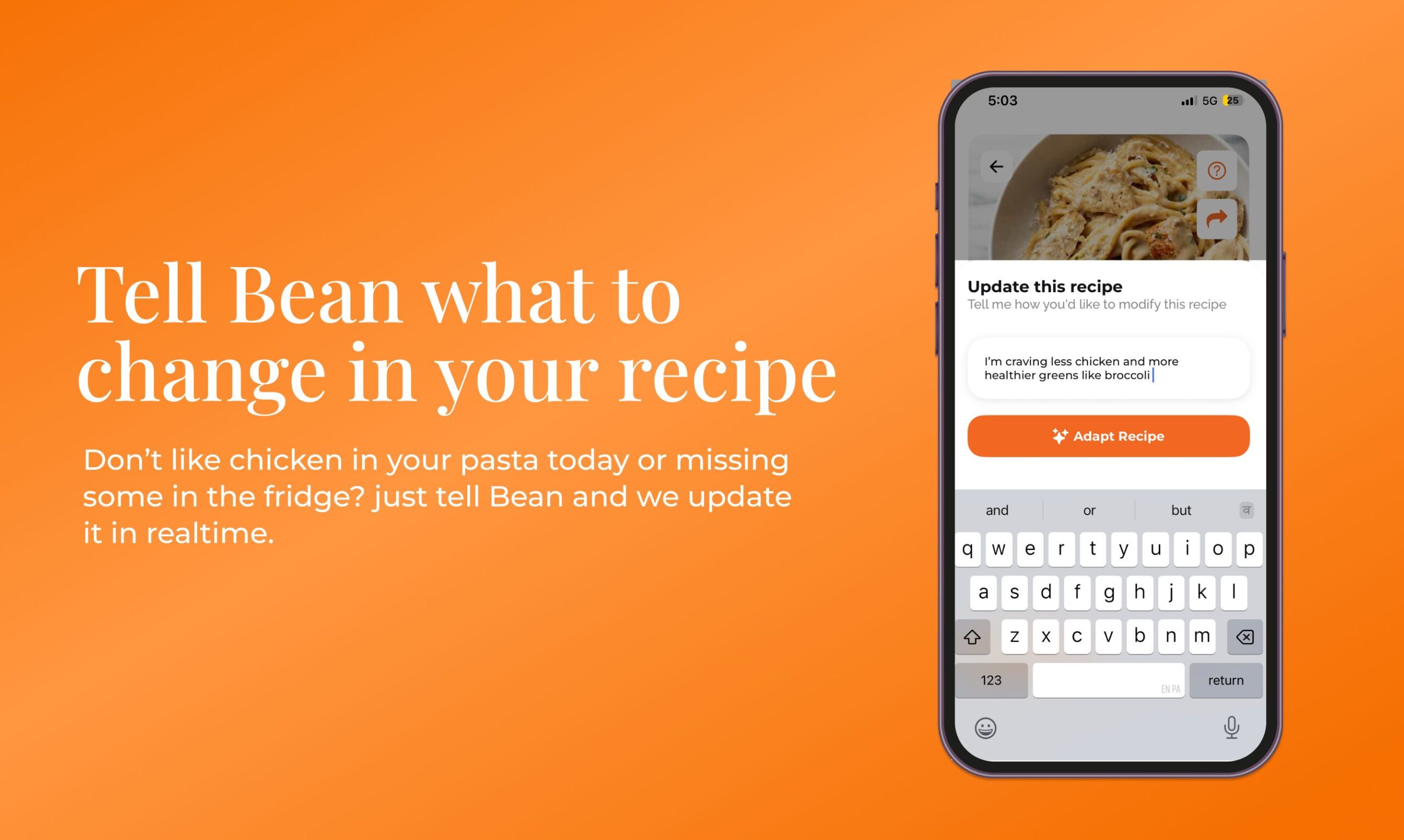
Tired of staring into your fridge, wondering how to salvage a meal with missing ingredients or cater to sudden dietary changes? Introducing Bean Recipe Adapt, a groundbreaking feature within the Bean meal planning ecosystem that transforms recipe adaptation from a chore into an effortless experience. Launched on Product Hunt December 6, 2025, Bean Recipe Adapt addresses a fundamental cooking frustration: rigid recipes failing to accommodate real-life scenarios where ingredients are missing, dietary needs change unexpectedly, or taste preferences differ from published instructions. Unlike traditional recipe apps requiring manual ingredient substitution research or searching for entirely new recipes, Bean Recipe Adapt uses conversational AI enabling you to simply tell it what’s missing or what you’d prefer, and it instantly rewrites your recipe—adjusting ingredients, cooking steps, timing, and seasoning—to perfectly match your situation.
Bean understands that life happens, and your dinner plans should be flexible. The broader Bean platform (launched August 20, 2025, achieving 5.0★ rating with 9 reviews on Product Hunt) serves as comprehensive AI-powered meal planning assistant for busy families, combining pantry tracking, personalized weekly meal plan generation, family-synced shopping lists, and recipe discovery. Bean Recipe Adapt represents the next evolution: real-time conversational recipe modification enabling dynamic personalization impossible with static recipe databases. No more hunting for new recipes or settling for bland meals; Bean Recipe Adapt lets you fix boring dinners with one simple prompt—creating truly adaptive cooking experiences matching your ingredients, time, and preferences precisely.
Key Features
- Real-Time Recipe Adaptation with Conversational AI: Bean Recipe Adapt dynamically adjusts your chosen recipe on the fly, making immediate changes based on natural language input. Tell Bean “I want less chicken and more vegetables,” “I’m missing onions, what can I use instead?,” or “make this lower sodium”—and watch the entire recipe update instantly including ingredient quantities, cooking instructions, timing adjustments, and seasoning modifications. The real-time nature eliminates tedious manual calculation or guesswork traditionally required for recipe modifications, delivering adapted versions in seconds rather than minutes spent researching substitutions.
- Intelligent Ingredient Substitution Logic: If you’re missing ingredients, Bean intelligently suggests and incorporates suitable alternatives maintaining dish integrity. The AI understands culinary principles ensuring substitutions preserve taste profiles, textures, and cooking behaviors rather than naive one-to-one swaps failing to account for moisture content, flavor intensity, or structural properties. For example, replacing beans with tofu requires adjusting liquid ratios and cooking times—Bean handles these nuanced changes automatically based on extensive recipe knowledge.
- Comprehensive Dietary Personalization: Easily tailor recipes to specific dietary needs and preferences including allergies, intolerances, vegetarian, vegan, gluten-free, low-sodium, kosher, halal, or custom restrictions ensuring everyone enjoys meals safely. Bean Recipe Adapt doesn’t simply remove problematic ingredients—it reformulates recipes maintaining nutritional balance, flavor complexity, and satisfying textures. The system integrates with your Bean profile storing dietary preferences, so adaptations automatically respect household requirements without re-specifying restrictions each time.
- Pantry-Aware Ingredient Matching: Bean Recipe Adapt integrates with Bean’s pantry tracking feature understanding what ingredients you actually have available. When adapting recipes, the AI prioritizes substitutions using pantry inventory reducing food waste and eliminating unexpected grocery trips. This pantry-first approach transforms abstract recipes into practical meals matching your current kitchen reality rather than idealized ingredient lists.
- Auto-Save Adapted Recipes with Version Tracking: Every adapted recipe automatically saves to your Bean collection enabling repeat cooking without re-customization. The system maintains adaptation history showing original recipes alongside your personalized versions facilitating refinement over time. Share adapted recipes with family members or community (coming soon), spreading successful modifications benefiting others facing similar constraints.
- Simple Natural Language Prompting: Interact with Bean using everyday conversational language making it accessible and intuitive for all cooks regardless of technical sophistication. No specialized commands, syntax, or cooking terminology required—just describe desired changes naturally as you would explain to a human sous chef. The conversational interface removes friction between intention and execution accelerating adaptation workflows.
- Multi-Dimensional Recipe Adjustment: Bean Recipe Adapt doesn’t merely swap ingredients—it comprehensively adjusts cooking steps, timing, temperatures, and techniques reflecting ingredient changes. Replacing ground beef with lentils requires different browning approaches, liquid absorption periods, and seasoning timing. Bean recalculates these procedural details ensuring adapted recipes succeed rather than failing due to incompatible techniques.
- Mobile-First iOS Experience: Currently available on iOS 15.1+ (per Apple App Store), Bean Recipe Adapt provides mobile-optimized interface perfect for kitchen use. Voice input support enables hands-free adaptation while cooking—speak modifications without touching devices with messy hands. Android availability to be confirmed; mobile-first design recognizes most home cooking occurs away from desktop computers.
How It Works
Using Bean Recipe Adapt is remarkably straightforward through conversational AI architecture:
Step 1: Recipe Selection
First, you select a base recipe you’d like to work with from Bean’s integrated recipe database, saved recipes from previous meal plans, or recipes imported from Instagram, YouTube, TikTok, or websites through Bean’s save feature. The base recipe provides structural foundation for adaptation—ingredient lists, cooking steps, timing, and techniques.
Step 2: Natural Language Modification Request
Then, you simply tell Bean what you want to change or what’s missing using natural language prompts accessed through text input or voice commands. Examples include: “I want less chicken and more vegetables,” “I’m missing onions, what can I use instead?,” “make this vegetarian,” “reduce sodium by half,” “I only have 30 minutes instead of an hour,” “my kid hates mushrooms, remove them,” or “add more protein.” The conversational interface accepts varied phrasing without rigid command syntax—describe changes naturally as you think about them.
Step 3: AI Processing and Recipe Reformulation
Bean’s intelligent AI engine then processes your request through multi-stage analysis: understanding modification intent (ingredient swap, dietary restriction, time constraint, taste preference), evaluating culinary implications (how changes affect cooking chemistry, texture, flavor balance), retrieving pantry inventory (if requesting substitutions, prioritizing available ingredients), and generating adapted recipe (rewriting ingredient quantities, cooking instructions, timing, and technique notes). The processing completes in seconds delivering real-time responsiveness.
Step 4: Instant Recipe Update and Review
The adapted recipe displays immediately with complete reformulation—updated ingredient list with revised quantities, rewritten cooking steps reflecting procedural changes, adjusted timing for different ingredients or techniques, and modified seasoning recommendations. You review changes ensuring they match intentions and make additional refinements through follow-up prompts if needed. The iterative process enables progressive recipe refinement converging on ideal personalized version.
Step 5: Auto-Save and Integration
Adapted recipes automatically save to your Bean collection for future reference with version tracking linking back to original recipes. The adaptation integrates seamlessly with Bean’s broader meal planning ecosystem—add adapted recipes to weekly meal plans, use them for automated shopping list generation incorporating modified ingredients, and share with family members through synced accounts. This integration transforms one-off adaptation into systematic personalized cooking approach.
Use Cases
Given its specialized real-time recipe adaptation capabilities, Bean Recipe Adapt addresses various scenarios where rigid recipes create cooking friction:
Dietary Restriction Management for Health and Allergies:
- Effortlessly adapt recipes to accommodate allergies (nuts, dairy, gluten, shellfish), intolerances (lactose, FODMAPs), or specific diets (vegetarian, vegan, paleo, keto, low-sodium, diabetic-friendly)
- Manage multiple household members with different restrictions through single recipe—Bean creates variations satisfying everyone simultaneously
- Ensure safety compliance for serious allergies through AI understanding cross-contamination risks and hidden ingredient sources
- Support religious dietary laws (kosher, halal) through intelligent substitutions respecting preparation requirements
Pantry Clean-Out and Food Waste Reduction:
- Use up ingredients you already have by telling Bean what’s in your pantry, and it builds recipes around available inventory preventing spoilage
- Transform “nothing to eat” fridge perceptions into discovered meal possibilities through creative substitution suggestions
- Reduce weekly food costs 30-40% by cooking from existing stock rather than buying specialized ingredients for every recipe
- Support sustainability goals minimizing food waste through inventory-first cooking approaches
Meal Planning for Picky Eaters and Family Preferences:
- Quickly adjust recipes to suit preferences of discerning eaters—remove disliked vegetables, reduce spice levels, modify textures
- Create kid-friendly versions of adult meals through single adaptation session rather than cooking separate dinners
- Accommodate gradually expanding palates by incrementally introducing new ingredients through partial substitutions
- Maintain family meal cohesion despite diverse taste preferences through flexible adaptation rather than everyone-for-themselves scenarios
Quick Dinner Adjustments for Time and Ingredient Constraints:
- Life throws curveballs! Bean allows spontaneous changes to meal plans when short on time—adapt hour-long recipes into 30-minute versions through technique modifications
- Handle missing ingredients discovered mid-cooking through instant substitution suggestions preventing dinner disasters
- Adjust serving sizes up or down for unexpected dinner guests or leftover optimization
- Modify cooking methods based on available equipment (oven broken, use stovetop; no slow cooker, adapt to instant pot)
Nutritional Optimization and Meal Customization:
- Increase protein content for fitness goals through intelligent additions maintaining flavor balance
- Reduce calories or carbohydrates for weight management while preserving satisfaction and taste
- Boost vegetable intake for health-conscious families through creative incorporation into favorite dishes
- Balance macronutrients (protein, fat, carbs) matching dietary philosophies or medical recommendations
Cooking Skill Level Adaptation:
- Simplify complex recipes for novice cooks by requesting easier techniques or pre-prepared ingredient options
- Elevate simple recipes for experienced cooks through sophisticated technique suggestions or gourmet ingredient upgrades
- Learn cooking progressively by comparing original recipes with simplified adaptations understanding modification principles
Pros \& Cons
Advantages
- Solves Immediate Cooking Problems with Instant Modifications: Bean Recipe Adapt addresses real-time kitchen challenges—missing ingredients, dietary changes, time constraints—through instant recipe reformulation eliminating stress and enabling successful meal completion regardless of complications.
- Offers Highly Personalized Cooking Experience Tailored to Specific Needs: The conversational AI delivers unprecedented personalization impossible with static recipe databases. Every adaptation reflects your unique situation creating truly custom cooking experiences matching your ingredients, preferences, time, and dietary requirements precisely.
- Features Simple and Intuitive Natural Language Interface: The conversational prompting requires zero technical knowledge, cooking jargon, or specialized commands. Describe changes naturally as you think—accessibility for all skill levels from novice to experienced cooks.
- Reduces Food Waste Through Pantry-Aware Substitutions: Integration with Bean’s pantry tracking prioritizes using available ingredients preventing spoilage and unnecessary grocery spending—environmental and economic benefits through inventory-first cooking.
- Auto-Saves Adapted Recipes Building Personalized Cookbook: Every adaptation automatically saves creating growing collection of family-optimized recipes matching your household’s unique needs. This accumulated knowledge becomes invaluable resource for repeat cooking eliminating rediscovery friction.
- Comprehensive Recipe Reformulation Beyond Simple Swaps: Bean adapts ingredients, cooking steps, timing, techniques, and seasoning—not just naive substitutions. This holistic approach ensures adapted recipes actually work rather than failing due to incompatible procedures.
- Mobile-First Design for Kitchen Convenience: iOS app with voice input enables hands-free adaptation while cooking—practical interface recognizing cooking contexts involve messy hands and multitasking.
- Free Option Enables Risk-Free Trial: Free tier confirmed via Apple App Store and Product Hunt launch enables testing core functionality without financial commitment assessing value before potential paid upgrades.
Disadvantages
- Niche Utility Specifically Focused on Cooking and Recipe Adaptation: Bean Recipe Adapt serves narrow use case—home cooking and meal preparation. Users not regularly cooking or comfortable following recipes may find limited utility compared to general-purpose AI assistants.
- Reliance on Quality of Initial Base Recipe Selected: Adapted recipes inherit limitations from base recipes. Poor original recipe structure, vague instructions, or flawed techniques persist through adaptation potentially disappointing despite modifications. Bean cannot transform fundamentally bad recipes into excellent ones—modifications work best with solid foundations.
- Early-Stage Product with Limited Track Record: Launched December 6, 2025, Bean Recipe Adapt represents very recent release lacking extensive production usage, comprehensive user reviews, or proven reliability over extended periods. Early adopters face risks around undiscovered bugs, adaptation quality inconsistencies, or feature gaps becoming apparent through broader usage.
- iOS-Only Availability Limiting Cross-Platform Access: Currently exclusive to iOS 15.1+ excluding Android users, web-based access, or cross-platform households with mixed devices. Families using different operating systems cannot all leverage Bean Recipe Adapt creating adoption friction.
- Accuracy of Complex or Unconventional Substitutions May Vary: While Bean handles common substitutions well, complex or unconventional modifications might produce sub-optimal results requiring user judgment. Highly specialized cuisines, advanced techniques, or unusual ingredients may challenge AI’s culinary knowledge necessitating manual verification.
- Pricing Structure Not Fully Disclosed Beyond Free Tier: While free option exists, full pricing tiers, usage limits, and premium feature access remain unclear as of December 2025 launch. Users cannot accurately forecast costs for extended usage or compare value propositions against competitors without transparent pricing.
- Requires Existing Recipe as Starting Point: Bean Recipe Adapt modifies existing recipes rather than generating entirely new ones from scratch. Users wanting completely original recipe creation based solely on available ingredients may prefer alternative approaches like recipe search engines despite different personalization capabilities.
- Adaptation Quality Depends on AI Training Data: The accuracy of substitutions, technique modifications, and culinary understanding depends on Bean’s training data and algorithms. Regional cuisines, traditional family recipes, or cutting-edge culinary innovations may not adapt as reliably as mainstream recipes representing training data distributions.
How Does It Compare?
Bean Recipe Adapt vs. SuperCook (Ingredient-Based Recipe Search)
SuperCook is an ingredient-based recipe search engine finding recipes matching ingredients you already have from database of 11+ million recipes.
Core Approach:
- Bean Recipe Adapt: Modifies existing chosen recipes in real-time through conversational AI; adapts recipes you want to cook
- SuperCook: Searches massive recipe database finding new recipes matching available ingredients; discovers recipes you didn’t know about
Personalization Method:
- Bean Recipe Adapt: Dynamic adaptation of specific recipes through natural language prompts changing ingredients, steps, timing
- SuperCook: Static recipe matching through ingredient filtering; recipes remain unchanged requiring manual modification if needed
Use Case Strength:
- Bean Recipe Adapt: “I want to cook this specific recipe but need to change X”—maintains dish identity while personalizing
- SuperCook: “What can I make with these ingredients?”—discovers entirely new recipe possibilities from pantry inventory
Decision Fatigue:
- Bean Recipe Adapt: Solves decision fatigue by perfecting chosen recipes eliminating need to search alternatives
- SuperCook: Creates potential decision paralysis presenting thousands of matched recipes requiring manual review
Culinary Learning:
- Bean Recipe Adapt: Teaches substitution principles through seeing adaptations; builds culinary knowledge
- SuperCook: Expands recipe repertoire through discovery; less educational about modification techniques
When to Choose Bean Recipe Adapt: For adapting favorite recipes or specific dishes you want to cook with modifications matching your situation.
When to Choose SuperCook: For discovering completely new recipes based on random ingredients without predetermined dish preference.
Bean Recipe Adapt vs. Yummly (AI-Powered Recipe Discovery)
Yummly is established recipe platform with 1.2+ million recipes, AI-powered personalization based on preferences, meal planning features, and grocery delivery integration in select markets.
Platform Maturity:
- Bean Recipe Adapt: Recently launched (December 2025); early-stage feature within Bean ecosystem
- Yummly: Mature platform operating since 2008 with extensive user base, proven reliability, comprehensive features
Primary Function:
- Bean Recipe Adapt: Real-time recipe adaptation modifying existing recipes through conversational AI
- Yummly: Recipe discovery and meal planning with personalized recommendations from massive database
Adaptation Capabilities:
- Bean Recipe Adapt: Core competency—instant conversational recipe modification with comprehensive reformulation
- Yummly: Limited adaptation—users manually modify recipes or search alternatives; no AI-driven real-time adaptation
Integration Ecosystem:
- Bean Recipe Adapt: Integrates with Bean’s pantry tracking, meal planning, family syncing within unified ecosystem
- Yummly: Integrates with grocery delivery services (Instacart, Walmart), smart kitchen devices, extensive third-party partnerships
Recipe Database:
- Bean Recipe Adapt: Works with Bean’s recipe collection plus imported recipes; smaller curated database
- Yummly: 1.2+ million recipes from across web providing exhaustive variety and choice
Pricing:
- Bean Recipe Adapt: Free tier available; full pricing undisclosed
- Yummly: Free tier available; Yummly Premium \$4.99/month adding unlimited collections, advanced meal plans, ad-free experience
When to Choose Bean Recipe Adapt: For real-time conversational recipe modification maintaining dish identity with personalized changes.
When to Choose Yummly: For massive recipe database, mature platform reliability, grocery delivery integration, or established meal planning features.
Bean Recipe Adapt vs. Paprika Recipe Manager (Recipe Organization)
Paprika is comprehensive recipe manager organizing, meal planning, and grocery list tool importing recipes from websites with cross-device sync.
Core Focus:
- Bean Recipe Adapt: Real-time AI-driven recipe adaptation through natural language; dynamic personalization
- Paprika: Recipe organization, storage, and management; static recipe library with manual editing
Adaptation Approach:
- Bean Recipe Adapt: Conversational AI instantly reformulates recipes maintaining culinary integrity through intelligent modifications
- Paprika: Manual recipe editing through traditional text editing; users make all modifications themselves without AI assistance
Recipe Collection:
- Bean Recipe Adapt: Works with Bean database plus saved/imported recipes; focus on quality over quantity
- Paprika: Imports recipes from any website using browser extension; unlimited personal recipe library curation
Meal Planning:
- Bean Recipe Adapt: Part of larger Bean ecosystem with AI-generated weekly meal plans, pantry tracking, family syncing
- Paprika: Integrated meal planning calendar, drag-and-drop recipe scheduling, shopping list automation from meal plans
Platform Availability:
- Bean Recipe Adapt: iOS 15.1+ currently; Android availability unconfirmed
- Paprika: Cross-platform (iOS, Android, Mac, Windows) with cloud sync enabling access from any device
Pricing:
- Bean Recipe Adapt: Free tier; full pricing undisclosed
- Paprika: One-time purchase \$4.99-\$29.99 depending on platform (no subscriptions); lifetime access
When to Choose Bean Recipe Adapt: For AI-powered real-time recipe adaptation with conversational interface and minimal manual effort.
When to Choose Paprika: For comprehensive recipe organization, cross-platform access, importing recipes from web, or manual control over all modifications.
Bean Recipe Adapt vs. ChatGPT / General AI Assistants (Recipe Modification)
ChatGPT and similar general AI assistants (Claude, Gemini, Bard) can answer recipe modification questions through conversational prompts.
Specialization:
- Bean Recipe Adapt: Purpose-built for recipe adaptation with culinary-specific AI, integrated pantry awareness, automatic reformulation
- ChatGPT: General-purpose AI requiring manual prompt engineering; no integrated cooking ecosystem or pantry context
Workflow Integration:
- Bean Recipe Adapt: Seamlessly integrates with meal planning, pantry tracking, shopping lists, saved recipes within unified app
- ChatGPT: Standalone conversations requiring manual copy-paste of recipes, ingredients, preferences; no automatic saving or integration
Output Format:
- Bean Recipe Adapt: Delivers fully reformulated recipes with structured ingredient lists, step-by-step instructions, timing—ready to cook
- ChatGPT: Provides conversational responses requiring manual extraction, formatting, and organization into usable recipes
Pantry Awareness:
- Bean Recipe Adapt: Automatically accesses Bean pantry inventory prioritizing available ingredients in substitutions
- ChatGPT: No pantry context unless manually provided each conversation; cannot track what you have available
Persistent Memory:
- Bean Recipe Adapt: Remembers dietary preferences, family tastes, past adaptations through Bean profile enabling consistent personalization
- ChatGPT: Limited conversation history; no persistent profile remembering preferences across sessions (unless using paid features)
Culinary Expertise:
- Bean Recipe Adapt: Optimized for cooking with culinary-specific knowledge about techniques, substitutions, timing adjustments
- ChatGPT: General knowledge about cooking; may lack specialized culinary nuances for complex adaptations
When to Choose Bean Recipe Adapt: For streamlined cooking-specific workflow with integrated meal planning ecosystem and automatic recipe formatting.
When to Choose ChatGPT: For one-off recipe questions, culinary education, creative brainstorming, or when already using ChatGPT for other purposes.
Bean Recipe Adapt vs. Whisk (Recipe Importing and Shopping)
Whisk (acquired by Samsung) is recipe management platform importing recipes from web with smart shopping list generation and meal planning.
Primary Value Proposition:
- Bean Recipe Adapt: AI-powered real-time recipe adaptation transforming existing recipes to match your needs
- Whisk: Recipe import and organization with shopping list automation; less focus on adaptation more on collection management
Adaptation Features:
- Bean Recipe Adapt: Core functionality—conversational AI instantly modifies ingredients, steps, timing with culinary intelligence
- Whisk: Basic scaling and ingredient substitution suggestions; no comprehensive AI-driven reformation
Shopping Integration:
- Bean Recipe Adapt: Generates shopping lists from adapted recipes integrating with Bean’s family-synced grocery features
- Whisk: Strong shopping integration with online grocery partners (Tesco, Amazon Fresh, Walmart); one-tap checkout
Platform Ecosystem:
- Bean Recipe Adapt: Part of comprehensive Bean meal planning ecosystem with pantry tracking, AI meal plans, family features
- Whisk: Focused on recipe collection and shopping; less comprehensive meal planning features
Corporate Backing:
- Bean Recipe Adapt: Independent startup (Toronto-based; founded by international students Pankrit Jindal and Vansh)
- Whisk: Samsung ownership providing resources, partnerships, smart device integration potential
When to Choose Bean Recipe Adapt: For AI-driven recipe adaptation with conversational interface and comprehensive meal planning ecosystem.
When to Choose Whisk: For strong online grocery shopping integration, Samsung smart home device compatibility, or recipe collection from web sources.
Final Thoughts
Bean Recipe Adapt represents meaningful innovation in home cooking technology by addressing the persistent friction between rigid published recipes and dynamic real-life cooking realities. The December 6, 2025 Product Hunt launch introduces genuinely novel capability: conversational AI transforming existing recipes in real-time through natural language modification—bridging gap between “recipes I want to cook” and “recipes I can actually cook given my constraints.” For home cooks regularly facing missing ingredients, dietary restrictions, time pressures, or family preference conflicts, Bean Recipe Adapt provides practical solution eliminating frustration previously requiring extensive culinary knowledge, manual calculation, or abandoning desired dishes entirely.
The integration within broader Bean meal planning ecosystem creates synergistic value. While standalone recipe adaptation tools exist (general AI assistants like ChatGPT handle modification questions), Bean Recipe Adapt uniquely combines conversational adaptation with pantry awareness, persistent dietary preferences, automatic saving, and meal planning integration streamlining entire cooking workflow from menu selection through grocery shopping to final meal preparation. This holistic approach addresses home cooking systematically rather than isolated recipe modification treating symptoms without solving underlying meal planning challenges.
The platform particularly excels for:
- Busy families managing diverse dietary needs requiring single recipe serving multiple restrictions without cooking separate meals for each household member
- Home cooks comfortable with cooking but frustrated by recipe inflexibility wanting to maintain dish identity while personalizing ingredients, techniques, or timing
- Sustainability-minded individuals reducing food waste through pantry-first cooking adapting recipes around available inventory rather than buying specialized ingredients spoiling unused
- Parents navigating picky eaters quickly modifying recipes accommodating children’s preferences while maintaining nutritional value and family meal cohesion
- Individuals with dietary restrictions (allergies, intolerances, medical diets) needing safe, satisfying adaptations beyond simple ingredient removal
For users primarily seeking recipe discovery from massive databases, Yummly’s 1.2+ million recipe library and mature platform provide superior breadth. For comprehensive recipe organization across all devices with manual control, Paprika’s cross-platform sync and one-time purchase model justify investment. For discovering entirely new recipe possibilities from random ingredients, SuperCook’s 11+ million recipe search delivers exhaustive matching. For general cooking questions and culinary education, ChatGPT’s broad knowledge and conversational depth offer flexibility.
But for the specific intersection of “real-time recipe adaptation,” “conversational natural language interface,” and “integrated meal planning ecosystem,” Bean Recipe Adapt addresses capabilities no standalone alternative currently combines. The platform’s primary limitations—early-stage product status lacking extensive track record, iOS-only availability excluding cross-platform households, undisclosed pricing creating budget uncertainty beyond free tier, and adaptation quality depending on base recipe selection—reflect expected constraints of recently-launched specialized technology prioritizing novel functionality over mature feature breadth.
The critical value proposition centers on eliminating cooking friction: if you regularly encounter situations where desired recipes don’t quite match your reality (missing ingredients, dietary needs, time constraints, family preferences), Bean Recipe Adapt transforms rigid instructions into flexible guidelines adapting seamlessly to your life. The conversational interface removes technical barriers—no culinary expertise, calculation skills, or substitution research required—democratizing recipe personalization previously accessible only to experienced cooks confident improvising modifications.
If you’re tired of abandoning desired recipes due to missing ingredients, if dietary restrictions limit cooking enjoyment, if family members’ conflicting preferences create dinner stress, or if pantry ingredients regularly spoil before usage—Bean Recipe Adapt provides accessible solution worth exploring. The free tier enables risk-free testing determining whether conversational recipe adaptation delivers promised convenience before potential paid commitments.
For early adopters accepting recently-launched product tradeoffs (limited track record, iOS-only access, adaptation quality variability), Bean Recipe Adapt delivers on its promise of transforming recipe adaptation from frustrating chore into delightful conversation—making every dinner flexible, personalized, and perfectly matched to your unique situation creating confidence that whatever life throws at you, dinner will still be delicious.