
Table of Contents
Overview
Browser Buddy is an AI-powered content curation platform launched December 8, 2025 on Product Hunt achieving 165 upvotes and 13 comments. Founded by Y Combinator W24-backed founders Arnav and Jeremy, Browser Buddy addresses fundamental information discovery challenges: social media algorithms optimize for engagement creating addictive feeds leaving users feeling time-wasted, meaningful long-form content exists scattered across personal blogs and niche publications making discovery difficult, and traditional search requires knowing what to look for preventing serendipitous discovery of valuable writing outside existing awareness.
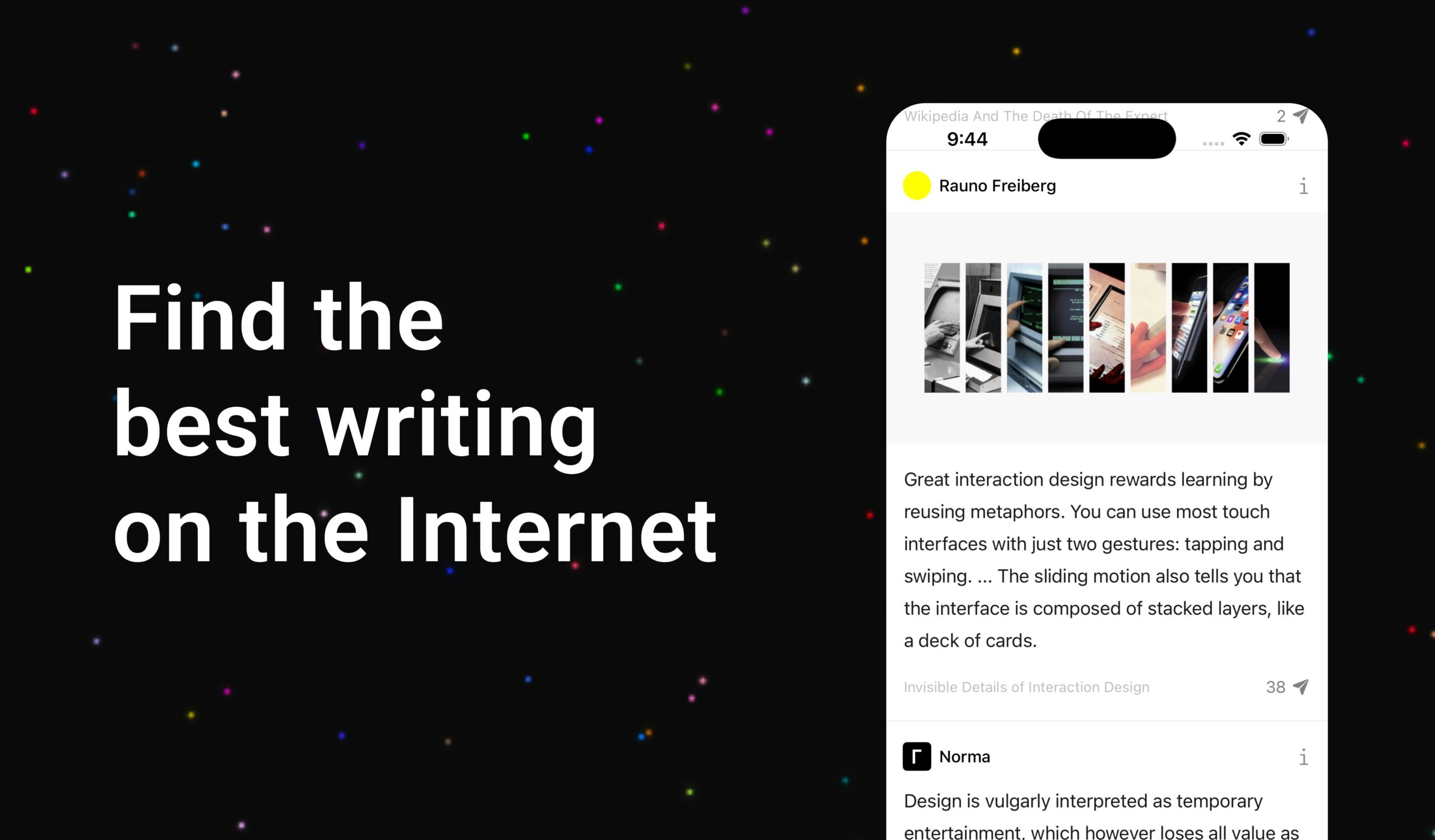
Browser Buddy curates personalized feeds of thoughtful essays, articles, and quotes from across the open internet leveraging a custom-trained recommendation model that ranks long-form writing similar to how humans curate through hyperlinks rather than engagement metrics. Users describe interests (“sustainable urban design,” “history of internet,” “first-time founder challenges”) or ask practical questions (“how to find my first users”) and the AI scans an index of approximately 150 million webpages sourced from personal blogs, independent publishers, and niche sites surfacing high-signal writing matching user preferences. Available as iOS app, web application, and browser extension, Browser Buddy positions itself as antidote to engagement-optimized social media providing “food for thought” rather than viral content.
The platform targets curious readers seeking depth over headlines, lifelong learners exploring new topics through rabbit holes, professionals wanting conversation-worthy knowledge beyond news cycles, and individuals replacing doom-scrolling habits with intentional reading practices. By emphasizing serendipity, thoughtful context, and depth versus engagement metrics, Browser Buddy attempts replicating the experience of receiving personalized recommendations from well-read friends rather than algorithmically-driven content feeds prioritizing clicks over quality.
Key Features
Curated Feed of Essays and Quotes: Browser Buddy delivers personalized streams of long-form essays and memorable quotes drawn from personal blogs, independent publications, academic writing, and niche websites. Unlike social media feeds prioritizing viral engagement or traditional RSS readers displaying chronological updates, Browser Buddy’s custom recommendation model curates content based on expressed interests and topical prompts surfacing writing that provides depth, nuance, and lasting value. The feed combines short inspirational quotes with longer essays creating varied reading experiences suitable for brief moments or extended learning sessions.
Conversational AI Buddy Interface: Users interact with Browser Buddy through natural language requests enabling exploratory discovery. Practical queries (“how to find my first users,” “how to write better emails”) surface actionable advice from founder essays, productivity blogs, and expert writing. Exploratory prompts (“the history of the internet,” “sustainable urban design,” “philosophy of time”) initiate rabbit holes diving deeply into specific topics through curated multi-article sequences. This conversational approach lowers friction versus manual search or complex filtering enabling spontaneous intellectual exploration.
Custom-Trained Recommendation Model: Browser Buddy trained a proprietary language model understanding how people curate content through hyperlinks analyzing expressive linking patterns that communicate webpage context and quality. The model filters spam and low-quality linking using link graph structure identifying salient content through network topology rather than raw popularity. This human-like curation approach promotes serendipity and thoughtful context versus engagement-driven recommendation algorithms maximizing time-on-site through addictive content sequences.
Index of 150 Million Webpages: The platform maintains and continuously expands an index spanning personal blogs, independent publishing platforms, niche websites, and long-form writing sources. This broad coverage enables discovering overlooked writing outside mainstream publications or social media visibility including personal essays, deep-dive explorations, and independent voices frequently missed by traditional search or social discovery mechanisms.
Anti-Engagement Design Philosophy: Browser Buddy explicitly optimizes for depth, reflection, and lasting value rather than engagement metrics. The interface avoids infinite scroll, notification badging, or psychological hooks common in social media instead encouraging mindful reading sessions with clear endpoints. This intentional friction contrasts with attention-capture techniques employed by engagement-optimized platforms aligning user experience with stated goal of improving information diet quality.
Browser Extension with Persistent Sidebar: Chrome extension provides persistent side panel keeping Browser Buddy accessible while browsing enabling quick saving of discovered articles, reviewing recommended content without leaving current tabs, or initiating new discovery sessions mid-workflow. The sidebar integration enables Browser Buddy serving as constant reading companion rather than separate destination requiring explicit context-switching.
iOS App for Mobile Reading: Dedicated iPhone application enables on-the-go reading with offline article caching, optimized mobile layouts, and seamless synchronization across devices. The mobile-first approach acknowledges users spend approximately 5 hours daily on smartphones providing high-quality reading alternative to social media scrolling during commutes, waiting periods, or leisure moments.
Privacy-Focused Architecture: Product messaging emphasizes privacy with local chat history storage and on-device handling of interactions. The privacy stance contrasts with data-intensive social platforms monetizing attention and personal information appealing to privacy-conscious users seeking content discovery without surveillance or behavioral targeting.
Shareable Content and Social Features: Users can share recommended articles with friends, pass particularly valuable essays to contacts, or discuss discoveries creating lightweight social layer around quality content without full social network complexity. This sharing capability enables Browser Buddy facilitating intellectual conversations and knowledge exchange among friend groups.
Interest-Based Personalization: Initial setup involves describing interests enabling Browser Buddy tuning recommendations to user preferences. Ongoing interaction refines understanding through implicit feedback (time spent reading, topics explored, queries submitted) improving curation accuracy over time without requiring explicit rating systems or complex preference configuration.
Unified Subscription Inbox: Users can forward email newsletters to special Browser Buddy email addresses consolidating subscription content alongside curated recommendations and saved articles. This inbox consolidation reduces email clutter while maintaining access to valued newsletters within unified reading environment.
How It Works
Browser Buddy operates through sophisticated content discovery and personalization system combining custom machine learning with human-inspired curation principles:
Step 1: Interest Definition and Onboarding
Users begin by describing interests, goals, or curiosities through conversational prompts. Examples: “I want to learn about cognitive biases and decision-making,” “Help me understand Web3 and blockchain,” “Find essays about parenting and child development.” These initial descriptions seed recommendation model enabling immediate content surfacing without requiring extensive configuration or preference surveys.
Step 2: Content Indexing and Quality Filtering
Browser Buddy maintains index of approximately 150 million webpages sourced from personal blogs, independent publications, essay platforms (Medium, Substack), academic sites, and niche communities. The indexing system prioritizes long-form writing, thoughtful analysis, and enduring perspectives over news cycles or viral content. Link graph analysis identifies salient content through hyperlink patterns—how writers reference and contextualize other work—filtering spam and low-quality linking through network topology understanding.
Step 3: Custom Model Recommendation
The proprietary recommendation model analyzes user interests against indexed content generating personalized feed selections. Unlike engagement-optimized algorithms maximizing session duration through addictive content loops, Browser Buddy’s model prioritizes depth, serendipity, and thoughtful context. The system generates recommendations explaining why specific essays match expressed interests or goals providing contextual understanding rather than opaque algorithmic suggestions.
Step 4: Feed Presentation and Reading Experience
Curated content appears in clean feed interface stripping ads, pop-ups, comments, and visual clutter presenting articles in optimized reading format. The presentation emphasizes comfortable reading experience with customizable themes, offline availability, and distraction-free layouts. Short quotes provide quick inspiration while longer essays enable deep exploration matching user available time and attention capacity.
Step 5: Conversational Refinement and Exploration
Users interact with AI buddy through ongoing dialogue refining interests, exploring tangential topics, or requesting specific content types. Follow-up queries (“more like this,” “go deeper on this topic,” “find contrasting perspectives”) enable iterative discovery navigating intellectual landscapes through natural conversation rather than manual filtering or complex search syntax.
Step 6: Cross-Platform Synchronization
Articles saved on iOS appear in browser extension and web app maintaining unified reading queue across contexts. This synchronization enables flexible workflows—saving articles during desktop work sessions then reading on mobile during commutes or saving mobile discoveries for later desktop deep-dives.
Step 7: Knowledge Export and Sharing
Users can highlight meaningful passages, add personal notes, and export saved content enabling knowledge management beyond transient reading. Sharing features enable passing valuable essays to friends or discussing discoveries creating social dimension around quality content consumption.
Use Cases
Given its focus on curated long-form writing and anti-engagement design, Browser Buddy addresses specific information consumption scenarios where depth matters more than speed:
Replacing Social Media Scrolling with Intentional Reading:
Individuals seeking healthier smartphone habits replace Twitter/Instagram/Facebook scrolling with Browser Buddy discovering thoughtful essays during moments previously consumed by engagement-optimized feeds. The anti-addictive design with clear endpoints enables mindful reading sessions without algorithmic hooks creating awareness of time spent versus mindless infinite scroll typical of social platforms.
Professional Development and Learning:
Knowledge workers exploring new domains (product management, machine learning, design thinking) use Browser Buddy discovering high-quality foundational essays from practitioners and experts. The conversational interface enables asking learning-oriented questions (“teach me user research fundamentals”) receiving curated reading sequences building understanding progressively rather than fragmented Google search results requiring manual quality assessment.
Conversation Starters and Social Capital:
Professionals wanting interesting discussion topics discover essays on urbanism, philosophy, technology, culture enabling informed participation in social conversations beyond small talk. The “impress your next date” framing suggests Browser Buddy providing intellectual ammunition for personal branding or social situations where demonstrated curiosity and knowledge depth create favorable impressions.
Founder and Startup Education:
Early-stage entrepreneurs explore startup-building through curated founder essays, case studies, and practical advice. Queries like “how to find my first users” surface relevant writing from successful founders, growth practitioners, and startup communities providing actionable guidance beyond generic business advice.
Academic and Intellectual Exploration:
Students, researchers, or intellectually curious individuals pursue rabbit holes exploring history, philosophy, science, arts discovering independent scholarship and thoughtful analysis outside academic paywalls or mainstream publications. The serendipitous discovery model surfaces unexpected connections and perspectives enriching understanding beyond predetermined reading lists.
Newsletter Consolidation and Management:
Individuals subscribed to multiple email newsletters consolidate subscription content within Browser Buddy reducing email inbox clutter while maintaining access to valued writers and publications. The unified reading environment enables processing newsletters alongside curated recommendations creating comprehensive information diet management system.
Pros \& Cons
Advantages
High Signal-to-Noise Ratio Filtering Quality Content: Browser Buddy’s curation model prioritizing long-form writing from personal blogs and independent publishers emphasizes substance over sensationalism creating feeds free from clickbait, outrage content, or algorithmically-amplified nonsense characteristic of engagement-driven platforms. This quality filtering saves time evaluating content trustworthiness and provides consistent value.
Anti-Engagement Design Promoting Healthy Information Consumption: The explicit rejection of infinite scroll, notification badging, and psychological hooks common in social media creates healthier relationship with information consumption. Users control session length, avoid dopamine manipulation, and maintain awareness of reading time versus mindless scrolling typical of attention-capture platforms.
Discovers Independent and Overlooked Writing: The platform surfaces personal blogs, niche publications, and independent voices frequently invisible on social media or buried in search results. This discovery capability benefits both readers (accessing diverse perspectives) and writers (reaching engaged audiences despite lacking mainstream platform followings).
Conversational Discovery Lowering Exploration Friction: Natural language interaction enables spontaneous intellectual exploration without requiring precise search queries or complex filtering. Users describe curiosities receiving relevant content immediately versus iterative search refinement typical of traditional information discovery.
Cross-Platform Availability with Unified Experience: iOS app, browser extension, and web application maintain synchronized reading queues enabling flexible workflows matching diverse usage contexts. This availability ensures Browser Buddy remains accessible regardless of device or situation.
Privacy-Focused Alternative to Surveillance Platforms: The emphasis on local chat history and privacy-preserving architecture appeals to users uncomfortable with data-intensive social platforms monetizing personal information and behavioral tracking while still wanting algorithmic content discovery benefits.
Serendipity and Intellectual Breadth: The recommendation model promoting unexpected connections and tangential discoveries enables intellectual breadth building broader knowledge foundations versus filter bubbles reinforcing existing beliefs typical of engagement-optimized feeds.
Disadvantages
Niche Appeal Limited to Long-Form Reading Enthusiasts: Browser Buddy serves narrow audience—individuals valuing essays and thoughtful writing over multimedia content, quick information bites, or entertainment-focused consumption. This specialization limits total addressable market versus general-purpose social media or news aggregators.
Requires Active Interest Definition and Engagement: Unlike passive social media requiring no configuration, Browser Buddy necessitates users articulating interests, submitting queries, and actively engaging with AI buddy. This participation requirement creates adoption friction for users preferring automatic feeds requiring minimal cognitive investment.
Content Coverage and Source Diversity Uncertain: The 150 million webpage index size and composition remain incompletely disclosed raising questions about coverage breadth, source diversity, viewpoint representation, and index currency. Users cannot verify curation comprehensiveness potentially missing valuable writing sources outside index scope.
Young Platform with Limited User Base: Launched December 2025, Browser Buddy represents very new product lacking extensive user reviews, proven reliability over time, or demonstrated staying power. Users face uncertainty about long-term viability, feature completeness, or sustained development commitment.
Recommendation Model Transparency Limited: The proprietary custom-trained model’s training data, algorithmic approach, bias mitigation strategies, and quality assurance processes remain opaque. Users trusting recommendations without understanding curation mechanics may receive systematically biased content without awareness.
Pricing and Monetization Strategy Unclear: The platform launched free but long-term monetization approach remains unspecified. Users should anticipate potential future paid tiers, premium features, or subscription requirements creating uncertainty about sustained free access and cost considerations for continued usage.
Limited Multimedia and Format Support: The focus on text-based essays excludes podcasts, videos, interactive content, or multimedia experiences limiting utility for users preferring diverse information formats. This text-only emphasis creates format constraints versus platforms supporting mixed media consumption.
Effectiveness Depends on Index Quality and Model Accuracy: Browser Buddy’s value proposition relies entirely on recommendation quality, index comprehensiveness, and curation accuracy. Suboptimal model performance, index gaps, or poor matching degrades experience potentially wasting user time on irrelevant or low-quality content defeating stated purpose.
How Does It Compare?
Browser Buddy vs Pocket (Mozilla’s Read-It-Later Service)
Pocket is Mozilla-owned read-it-later application serving millions of users enabling saving articles, videos, and web content for offline reading with clean formatting and cross-device synchronization.
Content Discovery Model:
- Browser Buddy: AI-powered curation actively recommending essays and quotes based on interests; proactive content discovery from open web
- Pocket: User-initiated saving of encountered content with optional algorithm-curated “Discover” recommendations; reactive collection model
Source Coverage:
- Browser Buddy: Indexes 150 million pages from personal blogs, niche publications, independent writers emphasizing long-form essays
- Pocket: Saves any web content users encounter; Discover feed sources major publications, popular articles, trending content
Reading Experience:
- Browser Buddy: Unified feed combining AI-curated recommendations with saved articles; conversation-driven exploration
- Pocket: Organized saved library with tags, favorites, archives; clean article view stripping ads and clutter
AI Features:
- Browser Buddy: Custom-trained recommendation model understanding interests; conversational buddy interface for discovery queries
- Pocket: Algorithm-driven Discover feed based on reading history; no conversational AI interface
Pricing:
- Browser Buddy: Currently free; future monetization strategy unspecified
- Pocket: Free tier with core features; Premium \$4.99/month adding unlimited highlights, permanent library, suggested tags
Maturity and Reliability:
- Browser Buddy: Launched December 2025; nascent product with limited user base
- Pocket: Established 2007 (originally “Read It Later”); mature platform with millions of users, proven reliability
When to Choose Browser Buddy: For proactive AI-driven discovery of quality long-form writing from independent sources, conversational exploration of topics, or replacing social media with curated intellectual content.
When to Choose Pocket: For saving encountered articles for later reading, organizing large saved collections with tags/favorites, or established reliable platform with mature features and extensive app ecosystem integration.
Browser Buddy vs Readwise Reader (All-In-One Reading Platform)
Readwise Reader is comprehensive reading platform combining RSS feeds, newsletters, read-it-later, PDFs, ePubs, highlights, and text-to-speech into unified environment serving knowledge workers and researchers.
Platform Philosophy:
- Browser Buddy: AI-curated discovery emphasizing serendipity and thoughtful recommendations from open web’s long-form writing
- Readwise Reader: User-controlled aggregation combining RSS subscriptions, saved articles, newsletters, documents into unified reading queue
Content Sources:
- Browser Buddy: AI selects from 150 million page index based on interests; proactive curation
- Readwise Reader: User subscribes to specific RSS feeds, email newsletters, saves articles manually; full control over sources
AI Capabilities:
- Browser Buddy: Conversational buddy recommending content matching interests; trained on hyperlink curation patterns
- Readwise Reader: “Ghostreader” AI for summarizing articles, answering questions about content, generating notes from reading
Highlight and Knowledge Management:
- Browser Buddy: Basic sharing and saving; focus on discovery versus knowledge management
- Readwise Reader: Comprehensive highlighting, notes, annotations syncing to Readwise for spaced repetition review and knowledge retention
Document Format Support:
- Browser Buddy: Web articles and essays primarily; text-focused
- Readwise Reader: Web articles, RSS feeds, newsletters, PDFs, ePubs, YouTube videos with transcriptions, Twitter threads
Pricing:
- Browser Buddy: Currently free; monetization strategy unspecified
- Readwise Reader: \$13.99/month bundled with Readwise highlights service; comprehensive but premium-priced
When to Choose Browser Buddy: For AI-driven serendipitous discovery of quality writing without manual source management, conversational exploration, or simpler free alternative to comprehensive reading platforms.
When to Choose Readwise Reader: For power users wanting unified reading environment combining RSS, newsletters, documents, research materials with comprehensive highlighting and knowledge management requiring full control over sources.
Browser Buddy vs Matter (Reading App with Newsletter Integration)
Matter is reading application combining read-it-later with newsletter aggregation, writer following, text-to-speech, highlighting, and content recommendations emphasizing elegant reading experience.
Content Discovery:
- Browser Buddy: AI-curated recommendations from 150 million page index; conversational queries driving discovery
- Matter: Algorithmic suggestions for complementary articles; ability to follow individual writers for updates; user-initiated saving primary model
Newsletter Integration:
- Browser Buddy: Email forwarding to consolidate newsletters into reading feed
- Matter: Gmail sync automatically importing subscribed newsletters; follow writers cross-platform for unified inbox
Reading Features:
- Browser Buddy: Clean article presentation; focus on curation versus reading experience optimization
- Matter: Best-in-class article parsing, human-like text-to-speech, fluid highlighting, offline by default, night mode
Knowledge Management:
- Browser Buddy: Basic saving and sharing; limited export capabilities
- Matter: Highlighting and notes syncing to Notion, Obsidian, Roam, Readwise enabling comprehensive knowledge workflows
Pricing:
- Browser Buddy: Currently free; future monetization uncertain
- Matter: Free tier with unlimited library, tags, basic features; Premium \$80/year adding HD text-to-speech, newsletter sync, highlighting
Platform Availability:
- Browser Buddy: iOS app, web application, browser extension
- Matter: iPhone, iPad, web app, browser extensions, Kindle integration (send articles in 2 taps)
When to Choose Browser Buddy: For AI-driven content discovery emphasizing serendipity and open web curation, conversational exploration interface, or free access to curated long-form writing.
When to Choose Matter: For elegant reading experience with premium text-to-speech, comprehensive newsletter management, powerful highlighting syncing to PKM systems, or willingness to pay for polished reading platform.
Browser Buddy vs GoodLinks (Apple-Focused Read-It-Later)
GoodLinks is native Apple platform read-it-later application for iOS and macOS emphasizing privacy, offline reading, tagging, and export capabilities with one-time purchase pricing model.
Platform Support:
- Browser Buddy: Cross-platform with iOS, web, browser extension supporting diverse devices
- GoodLinks: Apple ecosystem exclusively (iPhone, iPad, Mac) with deep iOS/macOS integration
Content Model:
- Browser Buddy: AI-curated recommendations plus user-saved articles; proactive discovery
- GoodLinks: Entirely user-saved content; no algorithmic recommendations or AI curation
AI Features:
- Browser Buddy: Conversational buddy recommending content; custom recommendation model
- GoodLinks: No AI features; manual organization through tags and reading lists
Privacy Approach:
- Browser Buddy: Emphasizes privacy with local chat history; cloud-based recommendation service
- GoodLinks: Fully local with optional iCloud sync; no cloud services or third-party servers
Pricing:
- Browser Buddy: Free currently; future monetization uncertain
- GoodLinks: One-time \$14.99 purchase; no subscriptions or recurring costs
Feature Depth:
- Browser Buddy: Focused on AI curation and discovery; simpler organizational tools
- GoodLinks: Rich organizational features (tags, highlights, export), font customization, markdown/PDF export, Safari extension
When to Choose Browser Buddy: For AI-driven content discovery, proactive recommendations matching interests, conversational exploration, or free cross-platform access.
When to Choose GoodLinks: For Apple ecosystem users prioritizing privacy, local-first architecture, one-time purchase avoiding subscriptions, or comprehensive organizational features without AI complexity.
Browser Buddy vs Feedly (RSS Aggregator with AI)
Feedly is established RSS feed aggregator serving millions of users combining traditional feed subscriptions with AI-powered content filtering, topic tracking, and team collaboration features.
Content Model:
- Browser Buddy: AI curates from 150 million page index recommending essays matching interests; proactive discovery
- Feedly: User subscribes to specific RSS feeds; AI filters and prioritizes subscribed sources; reactive subscription model
AI Capabilities:
- Browser Buddy: Conversational recommendation model trained on hyperlink curation; explores open web
- Feedly: Leo AI prioritizing important articles within subscribed feeds, filtering noise, topic tracking, emerging trend detection
Use Case Focus:
- Browser Buddy: Individual readers seeking thoughtful essays, intellectual exploration, social media replacement
- Feedly: Professionals monitoring industry news, market intelligence, competitive tracking, team research workflows
Source Discovery:
- Browser Buddy: AI discovers content from independent blogs, niche sites users might never encounter
- Feedly: Users manually discover and subscribe to RSS feeds; AI improves signal within chosen sources
Pricing:
- Browser Buddy: Free currently; monetization strategy unspecified
- Feedly: Free basic; Pro \$8/month; Pro+ \$12/month; Team/Enterprise tiers for organizations
Team Features:
- Browser Buddy: Individual-focused with basic sharing; limited collaboration
- Feedly: Team boards, shared research, collaborative filtering, organization-wide knowledge management
When to Choose Browser Buddy: For individual readers wanting AI discovering quality long-form writing without manual feed management, serendipitous exploration, or essay-focused consumption.
When to Choose Feedly: For professional RSS feed management, industry monitoring, team research collaboration, or established platform with mature features and extensive integrations.
Final Thoughts
Browser Buddy represents thoughtful response to information overload challenges plaguing modern internet users: engagement-optimized social media creates addictive low-quality content loops, valuable long-form writing remains scattered and difficult to discover, and traditional search requires knowing what to seek preventing serendipitous intellectual exploration. The December 2025 launch demonstrates viability of AI-powered curation prioritizing depth over engagement, quality over virality, and serendipity over filter bubbles addressing genuine pain points for readers valuing thoughtful content.
The conversational AI buddy interface lowering discovery friction, custom recommendation model trained on human-like hyperlink curation, and 150 million page index emphasizing independent voices create differentiated value proposition versus established read-it-later services (Pocket’s manual saving) or RSS aggregators (Feedly’s subscription model). By proactively surfacing quality writing based on expressed interests without requiring manual source management or encountering content first, Browser Buddy enables discovery-driven reading workflows impossible with reactive collection tools.
The platform particularly excels for curious individuals seeking social media alternatives prioritizing intellectual growth over entertainment, professionals building conversational knowledge beyond news cycles, early-stage founders learning from practitioner essays, and lifelong learners exploring new domains through curated rabbit holes without academic structure or traditional education frameworks.
For users requiring comprehensive reading platforms with highlighting, knowledge management, and PKM integration, Readwise Reader offers more powerful feature set despite premium pricing. For established reliable service with massive user base and mature ecosystem, Pocket provides proven read-it-later functionality with free tier and extensive app integrations. For elegant newsletter consolidation with premium text-to-speech, Matter delivers polished reading experience justifying subscription costs. For Apple ecosystem users prioritizing privacy and local-first architecture, GoodLinks provides one-time purchase avoiding recurring costs.
But for the specific intersection of AI-driven proactive curation, serendipitous discovery from independent sources, conversational exploration interface, and anti-engagement design philosophy, Browser Buddy addresses capabilities no established alternative combines comprehensively. The platform’s primary limitations—niche appeal to essay readers, young product with limited track record, unclear monetization creating sustainability questions, opaque recommendation model lacking transparency, and uncertain long-term viability typical of early-stage consumer applications—reflect expected constraints of ambitious content curation startups challenging dominant engagement-driven platforms.
The critical value proposition centers on information diet quality: if social media scrolling feels wasteful leaving users mentally depleted; if valuable writing exists but discovery requires excessive time investment; if serendipitous intellectual exploration appeals but traditional tools require knowing what to search; or if replacing engagement addiction with intentional reading aligns with personal growth goals—Browser Buddy provides compelling solution worth serious evaluation despite early-stage limitations and uncertain long-term sustainability common among consumer content applications competing against free social platforms.
The Y Combinator backing signals investor confidence and provides resources accelerating development, but consumer content curation represents notoriously difficult business model with graveyard of failed RSS readers and read-it-later services unable to monetize or scale. Browser Buddy’s success depends on converting free users to eventual paid tiers (once monetization launches), maintaining recommendation quality as index scales, and building sustainable business supporting ongoing development without resorting to engagement-optimization or advertising undermining stated anti-engagement philosophy.
For early adopters accepting nascent platform risks (incomplete features, potential service discontinuation, privacy policy evolution as business model clarifies), Browser Buddy delivers on promise: transforming information consumption from mindless scrolling toward intentional learning through AI-curated thoughtful writing enabling consistent intellectual growth—the “1% smarter every day” philosophy shared with Matter but achieved through different curation approach emphasizing AI-driven serendipity over user-controlled source management.
https://browserbuddy.com/