
Table of Contents
Design Systems Repo for the AI Era: A Production-Grade Knowledge Hub
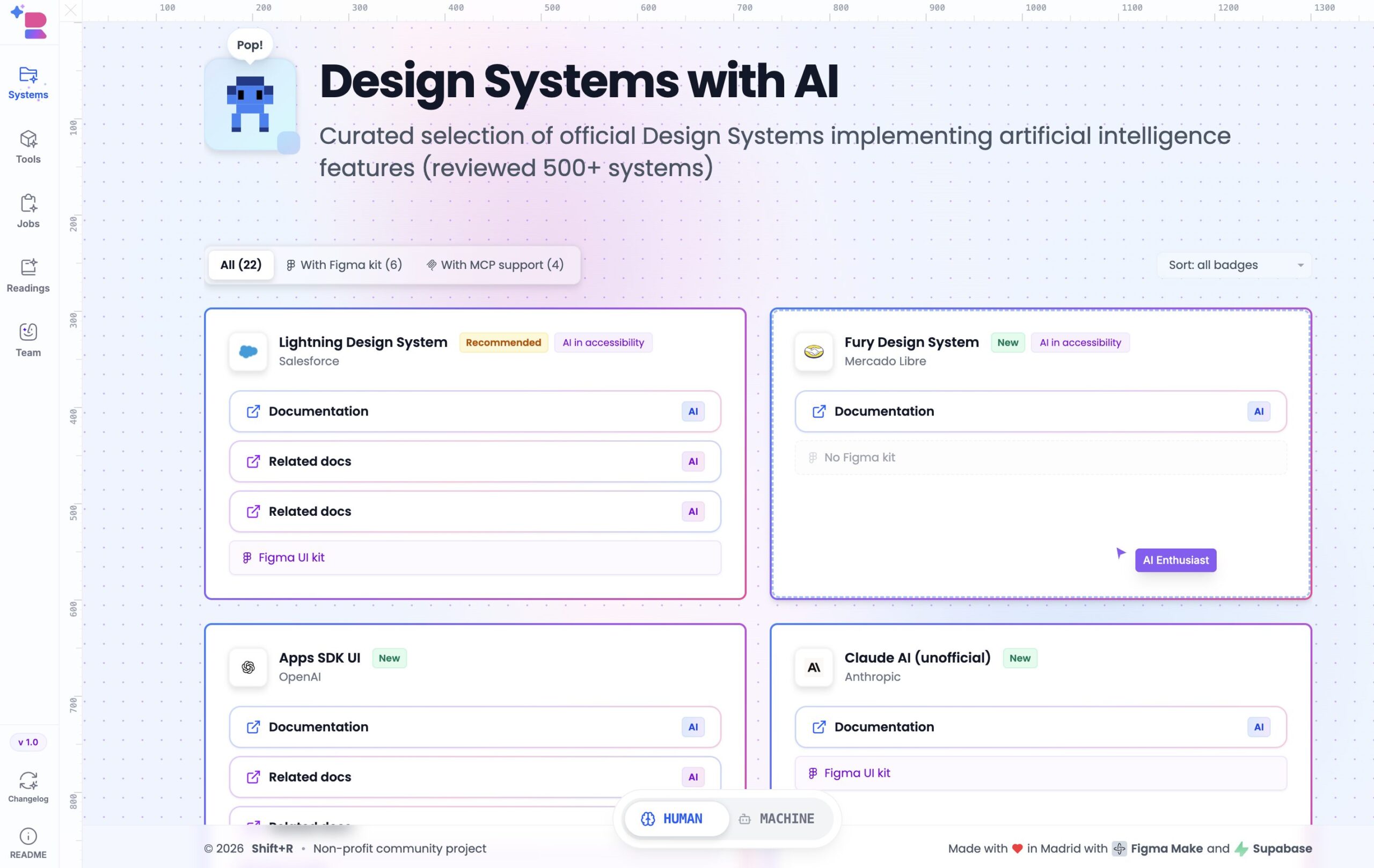
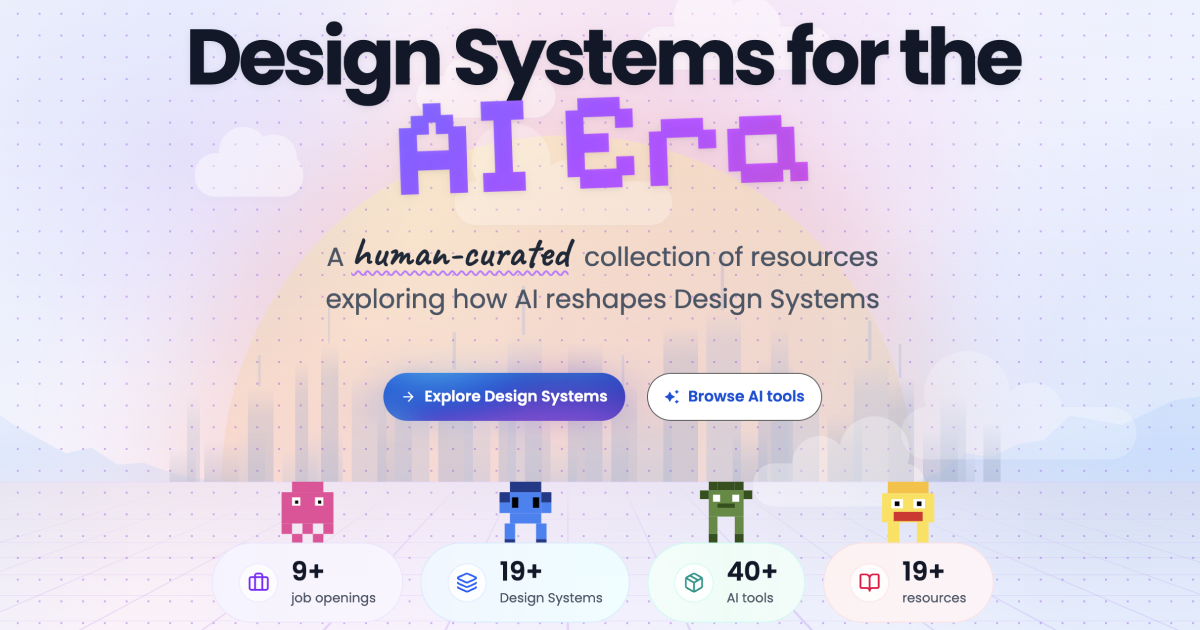
Design Systems Repo for the AI Era is a human-curated, open-source repository launched on January 6, 2026. Unlike generic AI tool lists, this project serves as a technical benchmark for how enterprise companies—such as Salesforce, IBM, and Shopify—are actually integrating artificial intelligence into their production design languages. Developed after a manual audit of over 500 global design systems, the repo prioritizes high-signal data over marketing hype, offering a clear view of the structural shifts occurring in modern UI architectures.
The repository is designed to be machine-readable and collaborative, hosting its data on GitHub to encourage community contributions while maintaining integrity through manual verification. It addresses the growing information overload in the AI-UX space by categorizing resources into concrete patterns, automation workflows, and official corporate guidelines. This approach enables design system architects and frontend developers to move past experimentation and adopt proven, scalable AI-driven design practices.
Key Features
- Manually Verified Systems Directory: A curated collection of 20+ production-grade design systems with specific AI implementation details, such as component-generation APIs.
- Official AI Guideline Repository: Direct access to corporate documentation from leaders like Salesforce (Lightning DS) and IBM (Carbon) regarding AI-human interaction standards.
- Concrete Usage Patterns: Real-world examples of how AI is used for UI automation, including auto-generating WCAG-compliant components and token automation.
- AI-Native Job Signal Tracker: A unique dataset identifying emerging roles and career transitions specifically focused on the intersection of AI and Design Ops.
- Machine-Readable Open Source Data: Built with a structured backend (Supabase), allowing teams to programmatically integrate this knowledge into their internal R&D tools.
- Production-Over-Hype Curation: Every entry is cross-referenced with actual design system implementations to ensure the resources are applicable to real-world software.
- Token Automation & Builder Tools: A vetted list of specialized tools that help automate the repetitive “plumbing” of design systems using AI.
- Thematic Reading List: A human-selected library of research papers and articles exploring the long-term impact of AI on design consistency and creativity.
How It Works
The platform functions as a specialized knowledge base for design leaders. Upon visiting the repo, users can filter resources by category, such as “Automation,” “Patterns,” or “Job Signals.” For instance, a designer tasked with creating AI guardrails can jump directly to the “Guidelines” section to see how Atlassian or Shopify defines human-in-the-loop review processes. Because the data is machine-readable and hosted on GitHub, developers can also pull the repository’s data into their own dashboards to track industry shifts in real-time. The “human-curated” aspect ensures that every link and tool has been tested against a 500-system benchmark for professional relevance.
Use Cases
- Design System R&D: Architecture teams can benchmark their internal AI roadmap against industry standards from top-tier enterprise companies.
- Career Transition Strategy: Designers looking to move into AI-specific roles can use the “Job Signals” dataset to understand required skills and emerging job titles.
- Component Automation: Frontend developers can find vetted tools and patterns for auto-generating accessible code snippets based on existing design tokens.
- Corporate Policy Drafting: Product managers can use the collected guidelines to draft internal safety and ethical standards for AI-augmented user interfaces.
Pros and Cons
- Pros: Extremely high signal-to-noise ratio due to manual vetting. Provides “invisible” structural insights that generic tool aggregators miss. Free and open for community contribution.
- Cons: As a human-curated resource, it may lag slightly behind the absolute fastest-moving AI startups compared to automated scrapers. Currently a resource-heavy site rather than a live automation tool itself.
Pricing
- Open Source / Free: The repository is entirely free to access, and the underlying data is open-source under a community-friendly license.
How Does It Compare?
- Mobbin / UI Sources: These platforms focus on visual screenshots and mobile patterns. Design Systems Repo for the AI Era focuses on the logic and guidelines behind the systems, providing the documentation that explains why those visuals work.
- Futurepedia / There’s An AI For That: These are massive aggregators of AI tools. While comprehensive, they include a lot of “fluff.” This repo is much more niche and only includes tools verified to work within a professional design system context.
- Awesome Design Systems (GitHub): A classic resource list. The AI Era version differentiates itself by being machine-readable and providing a deep audit of 500+ systems specifically for AI integration.
- Design Systems Repo (Standard): The predecessor to this site. The AI version is a specialized spin-off that addresses the unique challenges of generative UI and automated design ops.
Final Thoughts
Design Systems Repo for the AI Era is an essential compass for a industry currently struggling to define “AI-First Design.” By documenting the structural glue—the rules, tokens, and guidelines—that make AI work in production, it provides a much-needed foundation for the next decade of digital products. It moves the conversation from “What can AI draw?” to “How does AI fit into our system?” In an era of rapid AI-driven fragmentation, a human-curated source of truth like this is invaluable for maintaining design integrity and professional standards.