
Table of Contents
Overview
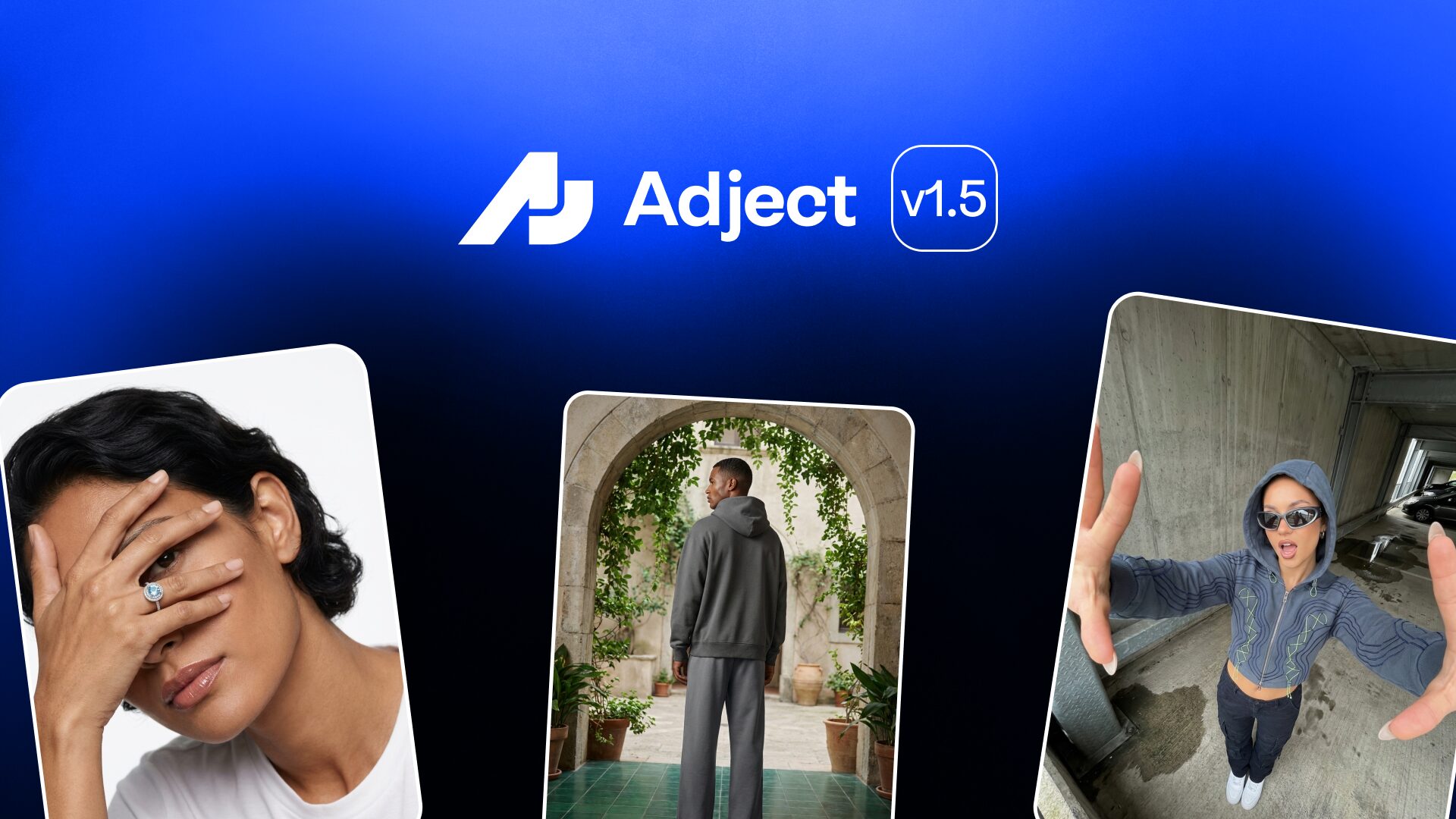
Adject v1.5 is an AI-powered visual content generation platform designed to transform basic product photos into hyper-realistic lifestyle scenes and short promotional videos. Unlike standard background removers, Adject uses a project-based architecture that allows e-commerce brands to manage campaigns as cohesive units. The 1.5 update introduces advanced temporal models for image-to-video conversion and frame expansion, enabling users to create studio-quality ad creatives without physical studios, specialized lighting, or professional photographers.
Important Clarification: Adject v1.5 was officially released in late 2025, transitioning the platform from a simple image generator to a comprehensive “AI Visual Studio” for brands.
Key Features
- Project-Based Workflow: Organizes assets into dedicated projects with version control, allowing teams to maintain stylistic consistency across entire product catalogs or social media campaigns.
- Image-to-Video Conversion: Transforms static product photos into 5–10 second promotional clips using temporal GANs (Generative Adversarial Networks) to simulate realistic object rotation and camera movement.
- Reference-Based Generation: Allows users to upload a “reference image” (e.g., a high-end editorial photo) to guide the AI in replicating specific lighting, composition, and lifestyle aesthetics while preserving the core product.
- Brand Consistency Engine: Optimized to keep logos, specific brand colors, and product geometry 100% accurate, even when placing the product in complex AI-generated environments.
- Frame-to-Video Expansion: Extends existing short video clips by generating consistent subsequent frames via optical flow algorithms, useful for adapting content for different social media formats.
- Smart Mockup Parsing: Specifically tuned for Etsy and Shopify sellers, the tool can ingest simple mockups or smartphone photos and output high-conversion lifestyle assets instantly.
How It Works
Adject v1.5 operates through a multi-stage diffusion process. When a product photo is uploaded, the system first creates a high-fidelity mask to isolate the product. It then uses CLIP-guided diffusion models to synthesize a background that matches either a pre-built template (e.g., “Luxury Marble Countertop”) or a user-provided reference. For video generation, the platform applies a temporal consistency layer that ensures product details do not “hallucinate” or shift between frames during motion. The final output is rendered in the browser, allowing for immediate review and iterative refinement within the project dashboard.
Use Cases
- E-commerce Product Photography: Small business owners (Etsy/Shopify) can generate hundreds of unique lifestyle photos from a single smartphone snap.
- Social Media Ad Creative: Marketing teams can rapidly produce short-form video ads for TikTok and Instagram Reels using static catalog images.
- Print-on-Demand (POD): Makers can visualize their designs on high-quality apparel mockups with realistic folds, shadows, and fabric textures.
- Scaling Product Catalogs: High-volume retailers can use the project workflow to update their entire site’s visual aesthetic for seasonal changes without re-shooting inventory.
Pros & Cons
Advantages
- High Creative Control: The reference-based generation allows for precise mimicry of high-end photography styles.
- All-in-One Content Studio: Bridging the gap between static photography and short-form video in a single project-based interface.
- Superior Detail Preservation: Known for maintaining sharp logos and text on products, a common failure point for general-purpose AI generators.
- Cost-Efficiency: Replaces $500+ professional photoshoots with a subscription starting at a fraction of the price.
Disadvantages
- Strict Subscription Model: Credits are on a “use it or lose it” basis; subscription credits do not roll over to the next billing cycle.
- Infrastructure Requirements: Video generation is compute-intensive, occasionally leading to longer processing times during peak platform usage.
- Learning Curve: The project-based workflow and reference tools offer more power but require more time to master compared to one-click background removers.
How Does It Compare?
Photoroom
- Best For: Mobile-first users and high-volume background removal.
- Key Features: Instant background removal, batch processing, and a massive library of templates.
- Key Distinction: Photoroom is optimized for speed and bulk editing on mobile. Adject v1.5 offers more advanced “scene synthesis” and integrated video generation that Photoroom lacks.
Flair.ai
- Best For: Design-focused retailers requiring 3D scene composition and customization.
- Key Features: Drag-and-drop design studio with 3D object placement and human models.
- Key Distinction: Flair provides a digital “sandbox” for building scenes. Adject focuses more on the automated project workflow and the conversion of static images into promotional video content.
Pebblely
- Best For: Budget-conscious sellers needing quick, thematic lifestyle backgrounds.
- Key Features: 40+ pre-made themes and user-friendly bulk processing.
- Key Distinction: Pebblely is a great entry-level tool for static images, but it lacks the enterprise-grade “Project” management and video expansion capabilities found in Adject v1.5.
Claid.ai
- Best For: Enterprise-level API automation for marketplaces and high-volume retailers.
- Key Features: Programmatic image enhancement and setting generation at scale.
- Key Distinction: Claid.ai is the leader in B2B API integration. Adject is a more creative-centric “SaaS studio” aimed at individual brands and marketing agencies who want manual creative control via a dashboard.
Mokker AI
- Best For: Quickly generating lifestyle photos with a focus on ease-of-use.
- Key Features: Automated scene placement and high-quality rendering.
- Key Distinction: Mokker is excellent for single-image transformations, whereas Adject’s v1.5 update is specifically designed for multi-asset campaign management and video-to-video workflows.
Final Thoughts
Adject v1.5 represents a significant step toward the “autonomous marketing studio.” By unifying image generation, video creation, and project management, it provides a level of brand consistency that was previously only achievable with a professional creative team. While the “no rollover” credit policy is a drawback for seasonal businesses, the platform’s ability to maintain product fidelity while generating fluid promotional video makes it an indispensable tool for the modern e-commerce stack. For brands that need to launch fast and maintain a “premium” look on a budget, Adject offers one of the most comprehensive AI visual suites currently available.