
Table of Contents
Beni AI
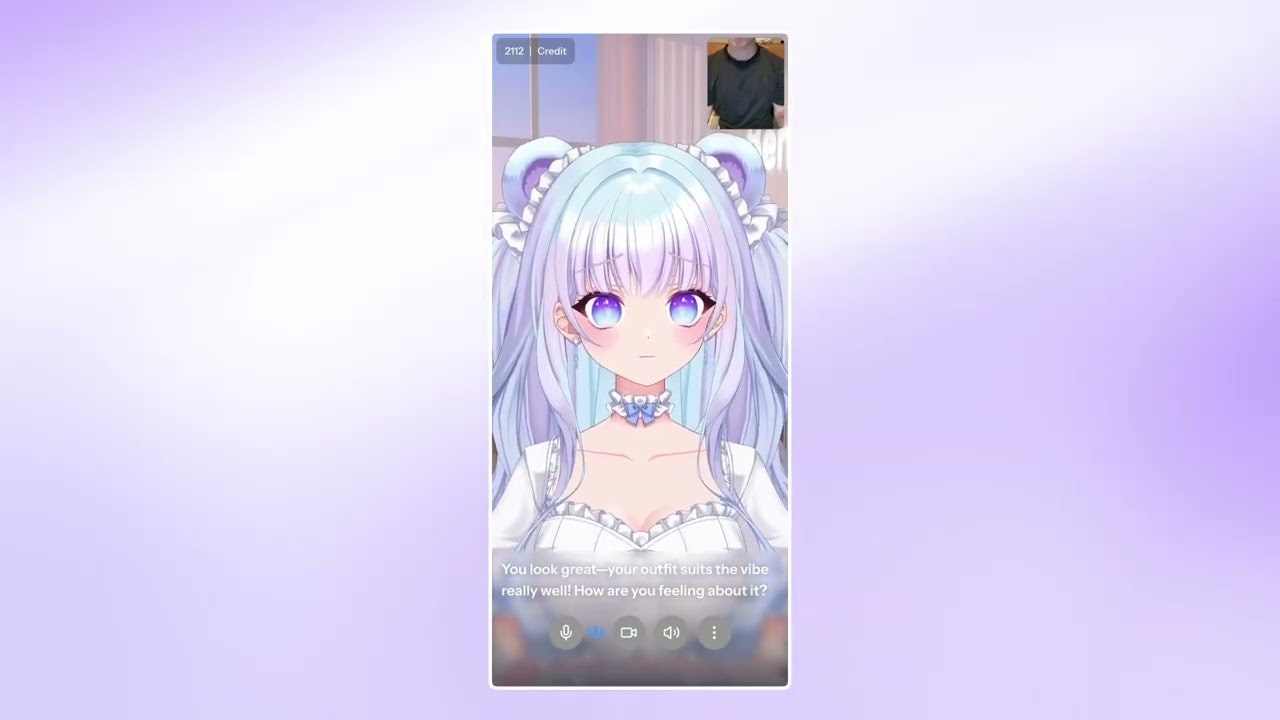
Beni AI is a video-call-first AI companion that shifts the paradigm from “texting a bot” to “hanging out on a call.” Using real-time Live2D avatar technology, Beni responds instantly with voice, fluid motion, and facial expressions that match the emotional tone of the conversation. It features an adaptive long-term memory system designed to maintain continuity across sessions, making the AI feel like a consistent friend rather than a stateless chatbot.
Key Features
- Real-Time Video Calling: The primary interface is a live video call, not a chat window. The AI listens and responds with low-latency voice and visual presence.
- Live2D Avatar Technology: Uses sophisticated 2D animation to create expressive, anime-style characters that move and react naturally during calls.
- Long-Term Memory: Remembers past conversations, preferences, and context to build a deepening relationship over time.
- Adaptive Persona: The companion’s personality evolves based on your interactions and feedback (e.g., “Does this feel natural?”).
- Emotional Responsiveness: Capable of detecting tone and responding with appropriate facial expressions (smiling, listening, concern).
How It Works
Users create or select a companion persona and initiate a “Video Call.” Instead of typing prompts, you speak naturally. The AI processes your voice, generates a verbal response, and simultaneously animates the avatar’s lips, eyes, and body language to sync with the speech. Behind the scenes, a memory module retrieves relevant facts from previous calls to inform the current response. The system is designed to minimize the awkward “processing silence” often found in voice AIs, aiming for a natural conversational flow.
Use Cases
- Daily Companionship: A “face-to-face” friend to share daily updates with when human friends are unavailable.
- Social Practice: A safe space to practice conversation skills, eye contact (simulated), and small talk without judgment.
- Language Learning: Practicing speaking and listening in a conversational setting with a patient partner.
- Emotional Support: A present listener that offers visual cues of empathy alongside verbal comfort.
Pros and Cons
- Pros: Higher immersion than text-based apps due to visual presence; Live2D visuals offer a distinct aesthetic compared to uncannily realistic 3D avatars; Memory continuity prevents the “who are you again?” frustration; Focus on low-latency voice interaction.
- Cons: Privacy considerations regarding voice/video data usage; Credit-based pricing can be more stressful than flat subscriptions; The “Uncanny Valley” effect is still a risk with real-time animation; Requires a stable internet connection for smooth video streaming.
Pricing
- Credit System: Uses a consumption-based model (Credits) for video call minutes and virtual gifts.
- Free Trial: Typically offers initial credits for new users to try the call experience.
How Does It Compare?
Beni AI enters a crowded “AI Girlfriend/Boyfriend” market but bets big on the Video format.
- Replika: The market leader. Replika is primarily Chat & AR focused with 3D avatars. While it has a voice call mode, it feels like an add-on. Beni is built around the call. Replika’s 3D style is more “Sims-like,” whereas Beni uses “Live2D” (Anime-style).
- Nomi / Kindroid: The leaders in Memory & Intelligence. These apps excel at writing long, complex text narratives and remembering deep lore. Beni’s memory is improving, but its main selling point is the visual/audio immediacy of the call, whereas Nomi is often text-first.
- Hume AI (EVI): Hume is a technology (API) that specializes in Emotional Voice. Beni is a consumer product that likely uses similar underlying tech to drive its expressive voice capabilities, wrapping it in a character interface.
- Digi AI: Similar to Beni, Digi focuses on a “Pixar-style” visual companion. Beni differentiates with the Live2D aesthetic, which appeals specifically to fans of VTubers and anime.
Final Thoughts
Beni AI represents the next logical step in AI companions: Presence. Texting is asynchronous and low-stakes, but a video call demands attention and creates a stronger illusion of reality. By solving the technical hurdles of real-time lip-syncing and expression (latency), Beni offers a glimpse into a future where we don’t just “read” our AI assistants, but “face” them. It is best suited for users who find text-based roleplay lonely and crave the feeling of a live, reactive presence on their screen.