Table of Contents
Overview
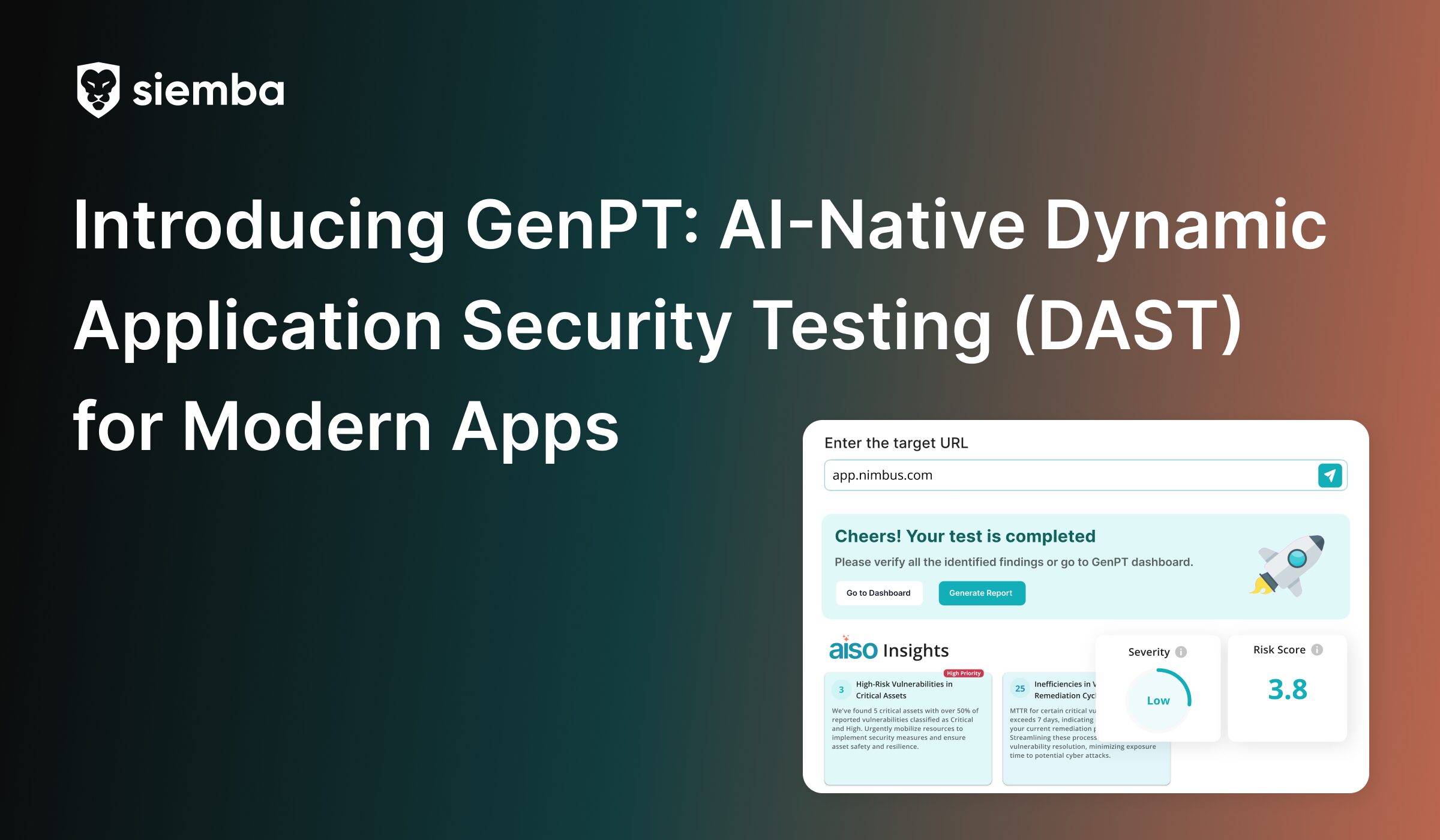
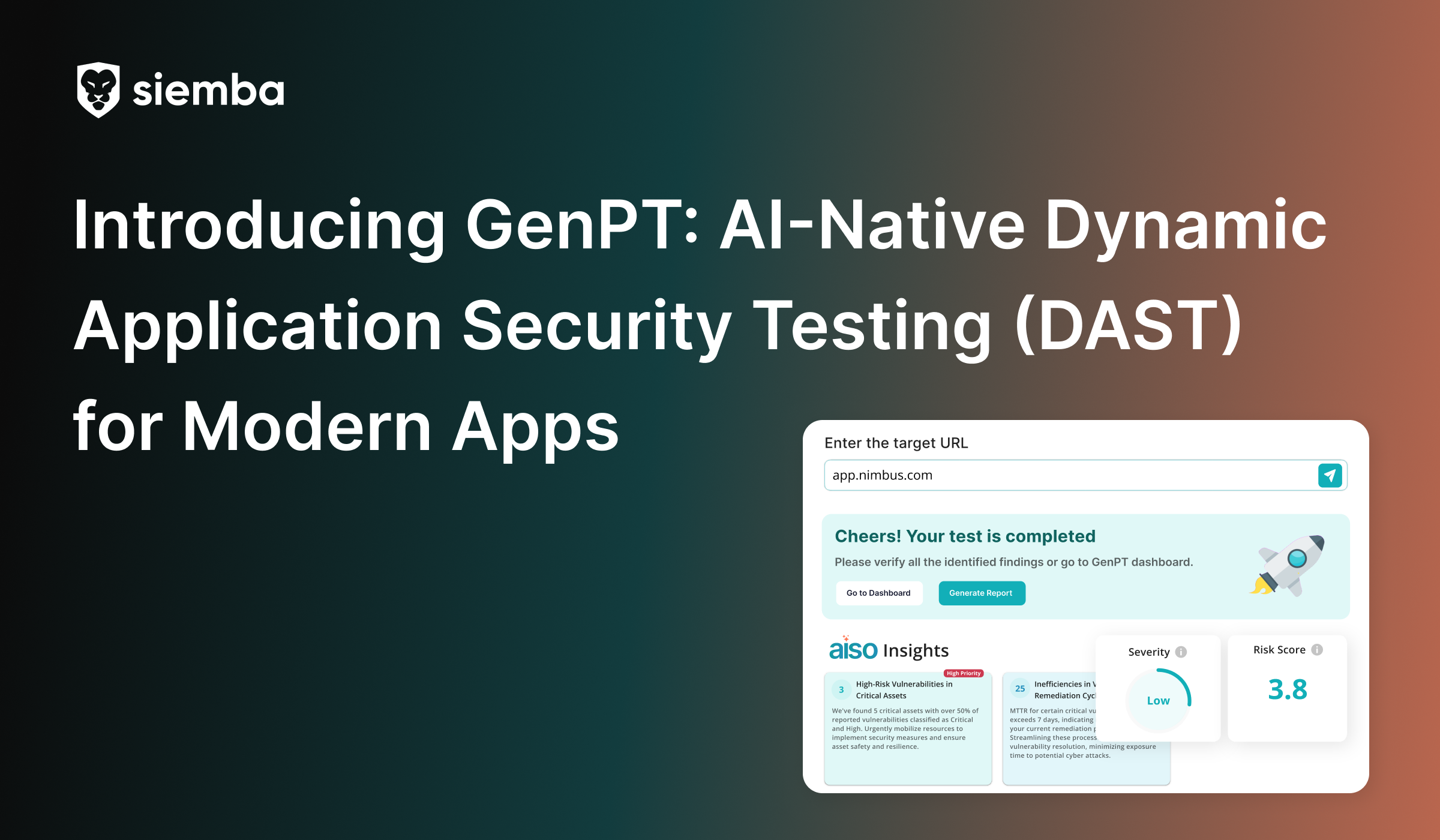
GenPT is a Generative AI-powered Dynamic Application Security Testing (DAST) platform that modernizes how organizations identify and manage web vulnerabilities. By moving beyond traditional signature-based scanning, it utilizes a “Generative Pentesting” approach that reasons through an application’s unique business logic to find deep-seated security flaws. With a focus on speed and accuracy, GenPT allows teams to launch comprehensive security audits with a single URL, delivering validated results that eliminate the “noise” typical of legacy security scanners.
Key Features
- 30,000+ Security Tests: A comprehensive library of automated checks covering OWASP Top 10 vulnerabilities, complex SQL injections, Cross-Site Scripting (XSS), and zero-day threats.
- AI-Native Exploit Validation: Automatically attempts to safely prove the exploitability of a detected vulnerability, ensuring that only verified, high-impact issues are reported to developers.
- Zero-Configuration Asset Discovery: Uses autonomous agents to map your entire application surface, identifying hidden endpoints, subdomains, and third-party dependencies without manual input.
- Intelligent Stack Fingerprinting: Identifies the specific versions of your frameworks (e.g., React, Django, Spring) to run targeted tests against known CVEs and misconfigurations for those specific stacks.
- Dynamic Risk Prioritization: Ranks vulnerabilities based on their actual business impact and exploitability, helping security teams focus on the most critical threats first.
- Native CI/CD Integration: Seamlessly plugs into GitHub Actions, GitLab CI, and Jenkins to provide continuous security feedback throughout the development lifecycle.
How It Works
The platform operates using a sophisticated “crawling and reasoning” engine. Once a URL is entered, the AI explores the application much like a human pentester would—identifying login forms, interactive elements, and API endpoints. It then fingerprints the underlying technology to determine which tests are most relevant. As it discovers potential vulnerabilities, the generative engine creates safe, context-aware payloads to test for exploitability. If the AI successfully validates the threat, it generates a detailed report including proof of concept and remediation steps, which is then delivered via the dashboard or directly into ticketing systems like Jira.
Use Cases
- Continuous DevOps Security: Integrating automated scanning into every pull request to catch vulnerabilities before they are merged into production.
- Compliance Readiness: Generating the detailed reports required for SOC2, ISO 27001, and HIPAA audits, providing evidence of regular vulnerability assessments.
- Rapid Third-Party Audits: Quickly assessing the security posture of new vendors or acquisitions by scanning their public-facing applications without requiring access to their source code.
- Authenticated Security Scans: Testing secure areas of an application by providing the AI with credentials to crawl and audit behind login portals and paywalls.
Pros & Cons
Advantages
- Industry-Leading Signal: The AI-driven validation process significantly reduces false positives, saving developers hours of time chasing non-existent bugs.
- Extreme Speed to Value: Can go from initial setup to a comprehensive security report in under an hour, whereas traditional pentesting takes weeks.
- Advanced Logic Testing: Unlike static scanners, GenPT can identify business logic flaws that require multi-step reasoning to exploit.
- Ease of Deployment: Requires no agents to be installed on the target servers, as the platform scans from an external perspective.
Disadvantages
- Runtime-Only Perspective: As a DAST tool, it cannot identify issues hidden within the source code that are not exposed during application execution.
- Infrastructure Overhead: High-intensity scanning can occasionally impact the performance of lower-tier staging environments if not properly throttled.
- Depth of Customization: While automated, advanced users may find fewer manual tuning options compared to legacy tools like Burp Suite.
How Does It Compare?
StackHawk
- Best For: Modern software teams looking for developer-centric DAST that fits perfectly into the DevOps cycle.
- Key Distinction: StackHawk excels at integrating with CI/CD and focus on “fixing” rather than just “finding.” GenPT differentiates itself with a more “autonomous reasoning” engine that mimics human pentester logic for deeper discovery.
OWASP ZAP / Burp Suite
- Best For: Professional pentesters and security researchers who need manual, granular control over every aspect of a scan.
- Key Distinction: These are “pro-tools” requiring significant expertise to configure. GenPT is a “one-click” solution designed for speed and automation, removing the need for dedicated security experts to manage the scan.
Probely
- Best For: SaaS companies needing an API-first security approach with clean documentation and developer-friendly reports.
- Key Distinction: Probely is highly structured and great for compliance. GenPT provides a more “aggressive” AI engine that actively searches for non-standard exploits and logic flaws.
Bright Security (formerly NeuraLegion)
- Best For: Teams needing to test modern web architectures like SPAs (Single Page Applications) and complex APIs.
- Key Distinction: Both tools focus on business logic. GenPT’s strength lies in its generative capability—constantly evolving its attack patterns based on what it learns about the target application.
Astra Security
- Best For: Small to medium businesses needing a sleek, user-friendly dashboard with integrated human support.
- Key Distinction: Astra provides a great “managed service” feel. GenPT is a more pure-tech AI platform, prioritizing autonomous performance and enterprise-scale automation.
Final Thoughts
GenPT by Siemba is a powerful representative of the “autonomous security” movement. By bridging the gap between automated scanning and manual pentesting, it provides a level of depth that traditional DAST tools have historically lacked. Its ability to validate exploits in real-time is a significant time-saver for engineering teams, effectively turning security from a bottleneck into an automated quality-control gate. For organizations deploying at high velocity, GenPT offers the necessary balance of speed, coverage, and accuracy required to secure modern digital assets. As AI agents continue to evolve, platforms like GenPT will be essential for identifying the increasingly complex attack vectors that manual audits can no longer catch in time.