
Table of Contents
Overview
In the fast-paced world of design and development, ensuring pixel-perfect consistency and flawless execution is paramount. Zeplin’s AI Design Review, launched in September 2025 as a public beta feature, represents a breakthrough in automated design validation. This intelligent solution acts as your final quality gate, meticulously scrutinizing designs for inconsistencies, accessibility problems, and textual errors, ultimately streamlining workflows and enhancing digital product quality before developer handoff.
Key Features
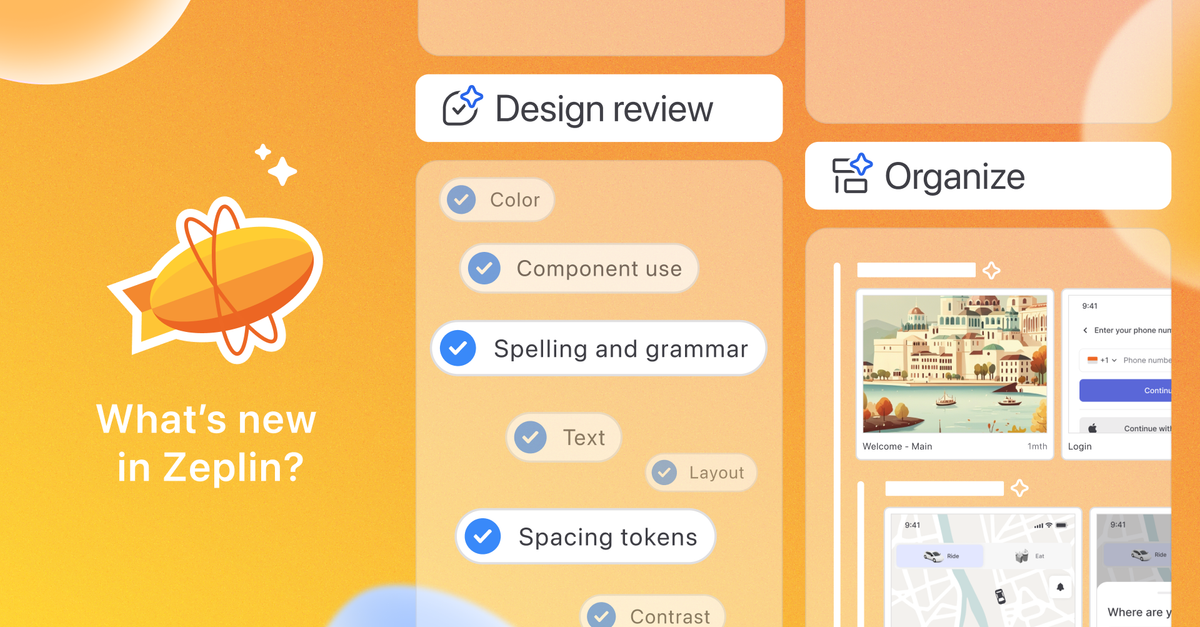
Zeplin’s AI Design Review delivers seven comprehensive categories of automated validation designed to elevate design quality and efficiency:
- Layout inconsistency detection: Identifies misaligned elements, inconsistent positioning, and spacing discrepancies that could disrupt visual harmony across designs.
- Design system validation: Ensures strict adherence to established design systems by flagging mismatches with design tokens, components, and style guide violations.
- Accessibility compliance checks: Automatically scans for WCAG AA and AAA color contrast standards and other accessibility barriers, promoting inclusive design practices.
- Grammar and spelling verification: Functions as a vigilant proofreader, identifying typos, casing inconsistencies, and textual errors across all text layers.
- Component usage optimization: Detects detached components and suggests opportunities to leverage existing design system elements for better consistency.
- Multi-agent analysis: Employs sophisticated preprocessing and cross-validation techniques to minimize false positives and enhance suggestion accuracy.
- Customizable feedback management: Allows users to ignore, delete, or adjust AI suggestions while training the system to understand project-specific requirements.
How It Works
Zeplin AI Design Review integrates seamlessly into existing design-to-development workflows through a streamlined process. After designers complete their work in tools like Figma, they export designs directly to Zeplin using the integrated Figma plugin and Styleguide Sync feature. With a single click, AI Design Review analyzes designs against predefined rules, design system tokens, and accessibility standards. The multi-agent system performs preprocessing followed by specialized AI agents that cross-validate results, presenting actionable feedback directly within the Zeplin interface. This approach enables designers to identify and resolve issues before developers begin implementation, significantly reducing revision cycles and improving handoff quality.
Use Cases
Zeplin AI Design Review proves invaluable across multiple stages of the design process, offering significant benefits for modern product teams:
- Pre-handoff quality assurance: Provides automated, objective validation ensuring every design file meets professional standards before developer review, reducing back-and-forth communication.
- Design system compliance enforcement: Guarantees consistent application of brand visual language and component libraries across all projects, fostering cohesive user experiences at scale.
- Accessibility validation: Proactively identifies potential accessibility barriers during the design phase, enabling teams to address compliance issues cost-effectively before development.
- Team workflow optimization: Minimizes revision requests and clarification needs during development phases, accelerating project timelines and improving team productivity.
- Enterprise scalability: Supports large design teams by automating routine quality checks, allowing human reviewers to focus on strategic design decisions and creative problem-solving.
Pros \& Cons
Advantages
- Comprehensive automation: Streamlines traditionally manual and time-intensive review processes, freeing designers for higher-value creative work and strategic thinking.
- Enhanced consistency standards: Systematically enforces design system adherence and quality benchmarks, resulting in more polished and professional output.
- Seamless workflow integration: Functions as an intuitive component of existing Zeplin handoff processes, requiring minimal workflow adjustments for immediate adoption.
- Accessibility-first approach: Proactively addresses inclusive design requirements, helping teams build compliant products from the design stage.
- Cost-effective beta access: Available on all Zeplin plans including the Free tier during beta period, making advanced AI capabilities accessible to teams of all sizes.
Disadvantages
- Platform dependency: Functionality remains exclusively tied to the Zeplin ecosystem, limiting accessibility for teams using alternative design handoff workflows.
- AI learning curve: Occasional false positives require human oversight and system training, particularly during initial implementation phases.
- Beta stage limitations: Feature set continues evolving based on user feedback, with some capabilities still under development or refinement.
How Does It Compare?
The AI-powered design validation landscape has evolved dramatically in 2025, with multiple platforms now offering sophisticated automated review capabilities. Zeplin AI Design Review operates within a competitive ecosystem that extends far beyond simple design assistance tools.
Current Major Competitors:
Figma AI Features: Figma’s native AI capabilities now include enhanced image generation, auto-suggest workflows, background removal, content replacement, and translation features. The platform’s Config 2025 launches introduced advanced contextual cues and prompt-to-app capabilities, directly competing with specialized review tools.
Adobe Firefly (Creative Cloud Integration): Adobe’s AI suite provides Generative Fill, style transfer, and automated design analysis across Photoshop, Illustrator, and other Creative Cloud applications. Its commercially-safe model and professional-grade output make it a strong competitor for enterprise teams.
zipBoard: Offers visual annotation tools with real-time collaboration for design feedback, focusing on contextual feedback and version tracking with integrated task management capabilities.
UX Pilot: Generates wireframes from text descriptions while providing usability predictions through heatmaps and accessibility issue flagging, combining creation with validation in a single platform.
Visily: Transforms screenshots and sketches into editable UI designs while detecting design inconsistencies and suggesting refinements, targeting rapid prototyping workflows.
Magician Design: Popular Figma plugin providing AI-powered icon, image, and text generation directly within design workflows, eliminating the need for external validation tools.
Maze AI: Delivers research and testing insights with AI-powered analysis, focusing on user experience validation rather than technical design compliance.
Zeplin’s unique advantage lies in its specialized focus on the critical handoff moment between design completion and development initiation. While competitors often address broader design creation or general feedback workflows, Zeplin AI Design Review specifically targets the technical validation needed for seamless developer handoff, making it complementary to rather than competitive with many design creation tools.
Enterprise Adoption and Availability
During the public beta period, Zeplin AI Design Review is available across all plan tiers, including the Free plan, demonstrating the company’s commitment to democratizing advanced AI capabilities. The feature launches alongside AI Organize, which automatically structures screen organization, creating a comprehensive AI-powered workflow enhancement suite.
The beta period serves as a crucial development phase where user feedback directly influences feature refinement and expansion. Teams can expect continued enhancements to review categories, improved accuracy through machine learning optimization, and potential integration expansions based on community needs.
Technical Implementation
Zeplin’s AI Design Review employs a sophisticated multi-agent architecture that differentiates it from simpler rule-based validation tools. The system performs initial preprocessing to understand design context, followed by specialized AI agents that analyze different aspects of the design. Cross-validation between agents helps minimize false positives while ensuring comprehensive coverage of potential issues.
This technical approach represents a significant advancement over traditional automated design checking, offering more nuanced understanding of design intent while maintaining reliability for production use.
Final Thoughts
Zeplin AI Design Review represents a significant advancement in design quality assurance, addressing the critical gap between design completion and development implementation. By automating detection of common design flaws while maintaining focus on the developer handoff process, it empowers design teams to deliver more consistent, accessible, and error-free work.
The tool’s strength lies not in replacing human design judgment, but in handling the systematic validation tasks that often consume valuable review time. This allows design teams to focus on creative problem-solving and strategic decision-making while ensuring technical quality standards remain consistently high.
As the design industry continues embracing AI-powered workflows, Zeplin’s focused approach to handoff validation positions it as an essential tool for teams serious about streamlining collaboration and maintaining design integrity. The beta period offers an excellent opportunity for teams to explore these capabilities and contribute to the platform’s continued evolution toward comprehensive design-to-development automation.